
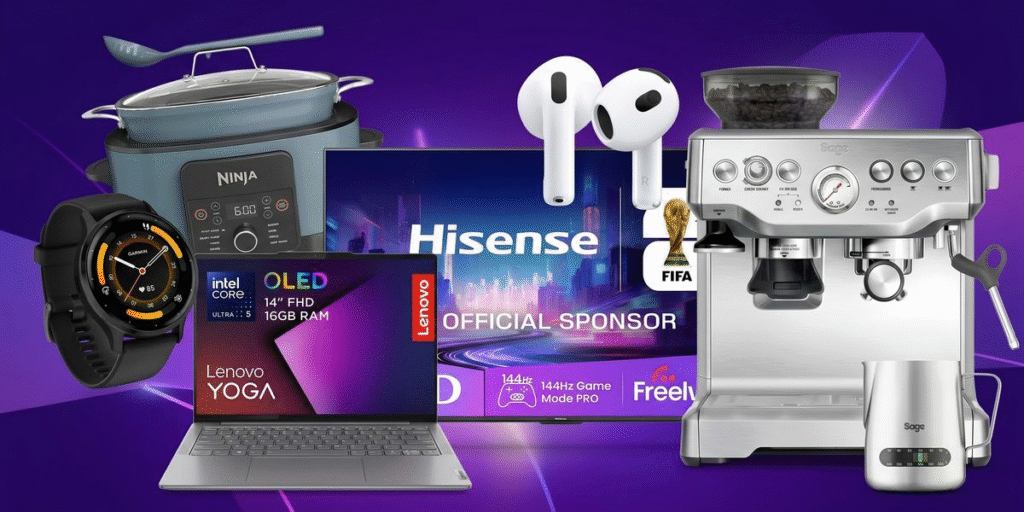
Technology has become an essential part of daily life. From smartphones and laptops to smart home devices and accessories, consumers constantly look for products that improve convenience, productivity, and entertainment. However, with thousands of products available and new releases appearing regularly, finding the right technology at the right price has become increasingly difficult.
Many shoppers focus only on discounts, assuming that the lowest price automatically means the best deal. In reality, smart technology shopping requires much more than simply chasing discounts. Understanding how to evaluate products, compare features, analyze pricing, and plan purchases can lead to better decisions and greater long-term value.
Effective buying strategies help consumers avoid overspending, reduce unnecessary purchases, and maximize the value they receive from every purchase. Whether buying expensive electronics or everyday accessories, applying smart shopping strategies can significantly improve results.
Understanding What Makes a Good Tech Deal
Many people believe a tech deal simply means buying something with a large discount. While discounts are important, a good deal is actually determined by value rather than price alone.
A product becomes a good deal when it provides the features, performance, reliability, and longevity needed at a reasonable cost. Sometimes paying slightly more for better quality creates greater long-term savings.
Consumers should consider total value instead of focusing entirely on promotional pricing. A cheaper device that requires replacement quickly may become more expensive over time compared to a higher-quality alternative.
Understanding value-based shopping creates better purchasing habits and reduces regret after purchases.
Research Before Making Any Purchase
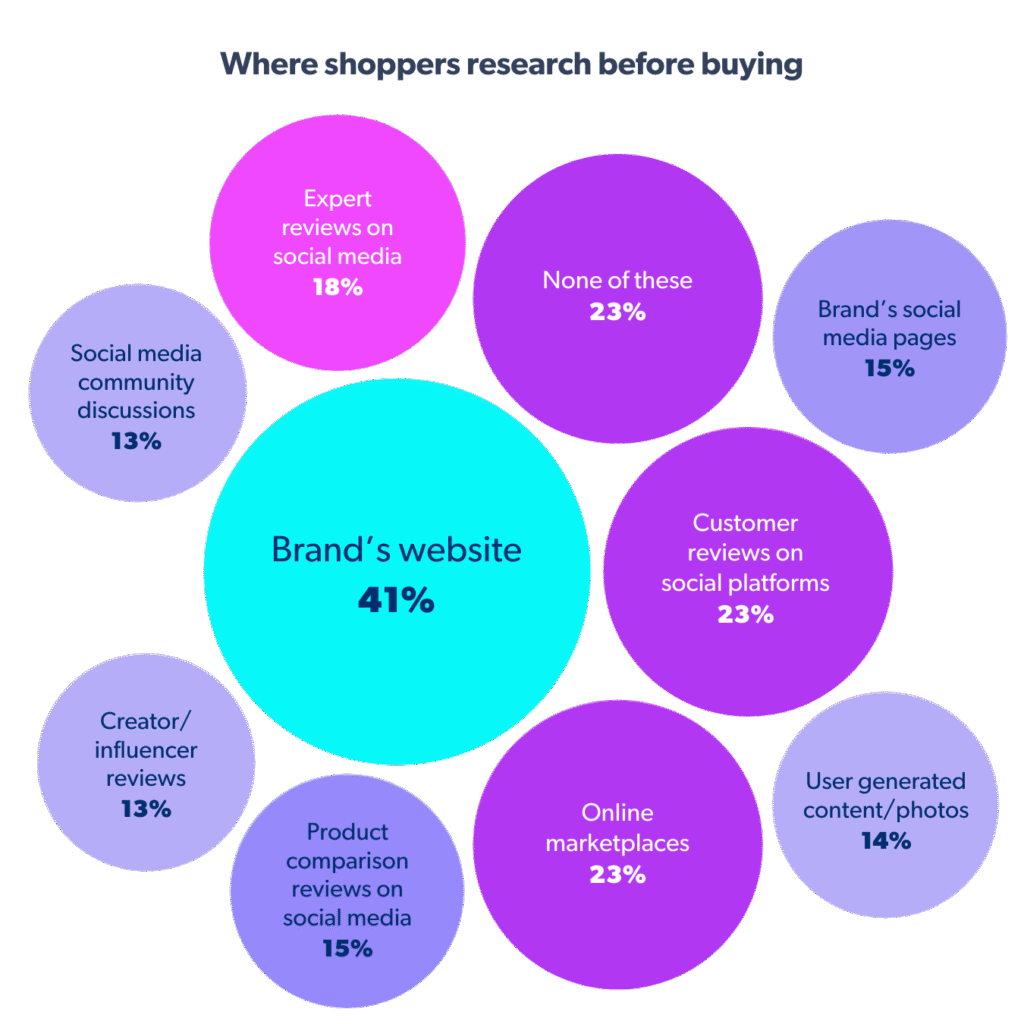
One of the biggest mistakes consumers make is purchasing technology without proper research. Marketing campaigns and advertisements often create excitement that encourages impulsive buying.
Research allows buyers to understand product specifications, performance expectations, user experiences, and possible limitations.
Comparing multiple products within the same category often reveals significant differences in pricing and features. Products that appear similar may offer completely different levels of performance.
Reading reviews, watching demonstrations, and analyzing specifications provide valuable information that supports smarter decisions.
The more information consumers collect before purchasing, the lower the risk of making poor buying choices.
Understanding Your Actual Needs
Many technology purchases become disappointing because consumers buy products with features they never use.
Understanding personal requirements should always happen before comparing products.
For example, someone who uses a computer primarily for browsing and office work does not require extremely expensive hardware. Similarly, purchasing advanced devices with unnecessary features often increases costs without providing additional value.
Identifying primary use cases makes decision-making easier because buyers can focus only on features that matter.
This approach reduces overspending while improving satisfaction with purchases.
Comparing Features Instead of Marketing Claims

Technology companies invest heavily in marketing. Product descriptions often emphasize impressive numbers and technical terms that may not significantly impact real-world performance.
Smart shoppers focus on practical comparisons rather than marketing language.
Understanding how features affect everyday usage helps buyers avoid paying for specifications that offer little actual benefit.
Performance, durability, battery life, compatibility, repairability, and long-term usability are often more important than promotional claims.
Feature comparison creates more objective purchasing decisions and improves overall value.
Timing Purchases for Better Savings
Timing significantly affects technology pricing. Products rarely maintain identical prices throughout the year.
Buying immediately after product launches often results in paying premium prices. Waiting for promotional periods, seasonal sales, or replacement cycles frequently creates better opportunities.
Understanding product life cycles also helps. When manufacturers prepare to release newer models, previous versions often receive substantial price reductions.
Patience can create considerable savings without sacrificing quality.
Consumers who plan purchases rather than buying impulsively usually achieve better overall results.
Avoiding Impulse Buying
Technology products are specifically designed to create excitement. Limited-time offers, countdown timers, and promotional campaigns encourage quick decisions.
Impulse buying often leads to unnecessary spending and poor purchasing choices.
Creating buying rules can reduce emotional decisions. Waiting before purchasing expensive items allows more time for evaluation and comparison.
Questions such as whether the product solves a real problem or whether it will still feel valuable after several weeks help improve decision quality.
Delaying purchases slightly often prevents unnecessary expenses.
Evaluating Total Ownership Costs
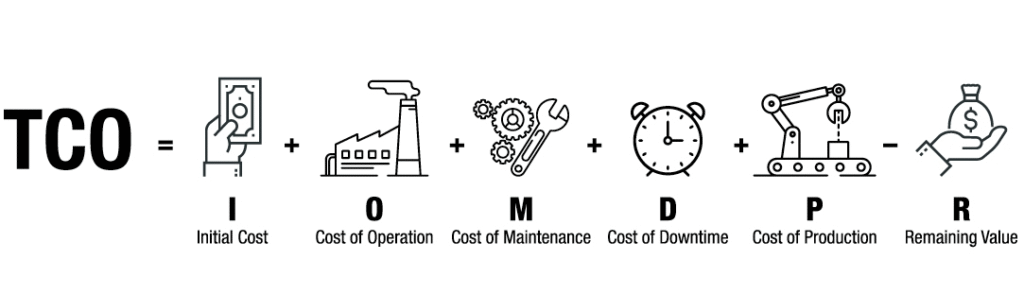
The purchase price is only one part of technology spending. Many products create additional costs after purchase.
Accessories, subscriptions, maintenance, upgrades, repairs, and replacements all contribute to total ownership expenses.
A lower-priced product may appear attractive initially but become expensive when additional requirements are considered.
Consumers should evaluate long-term ownership costs before making final decisions.
Understanding total costs provides a more accurate view of actual value.
Using Price Comparisons Effectively
Comparing prices across multiple sources is one of the simplest ways to improve shopping results.
Retailers frequently offer different pricing structures, promotions, bundles, and discounts.
Price comparison should include additional factors beyond listed prices. Shipping costs, warranties, return policies, and customer service quality also affect value.
Consumers who compare multiple options often discover opportunities that significantly reduce overall spending.
Careful comparison reduces the likelihood of overpaying.
Understanding When Premium Products Are Worth It
Not every purchase should focus on the cheapest option. In some situations, premium products provide stronger long-term value.
Higher-quality devices often deliver better durability, stronger performance, improved support, and longer lifespans.
The decision depends on usage patterns.
Frequently used devices may justify higher investments because quality improvements affect everyday experiences.
Understanding where premium pricing creates meaningful benefits helps consumers allocate budgets more effectively.
Avoiding Common Technology Buying Mistakes
Many shoppers repeatedly make similar mistakes when purchasing technology.
Buying based entirely on discounts is one common problem. Large discounts sometimes create the illusion of value even when products do not match actual needs.
Ignoring compatibility issues is another frequent mistake. Devices that do not work properly with existing equipment often create frustration and additional expenses.
Another problem involves focusing too heavily on future needs. Buying products for hypothetical situations often leads to overspending.
Avoiding these common mistakes improves both financial efficiency and overall satisfaction.
Creating Long-Term Smart Shopping Habits
Smart shopping is not only about individual purchases. Developing long-term habits creates better financial outcomes over time.
Consumers who establish budgets, compare products consistently, research purchases, and evaluate needs carefully usually make stronger decisions.
Learning from previous purchases also improves future behavior.
Over time, disciplined buying habits reduce unnecessary spending while increasing satisfaction with technology purchases.
Small improvements in decision-making accumulate into significant long-term savings.
FAQ’s
Fashion Deals for Every Season: Save More, Dress Better
When the seasons change, our wardrobes naturally change with them. The light cotton shirts that…

Travel Deals That Make Luxury Vacations More Affordable
There is something magical about waking up to the sound of gentle waves touching the…

Home Deals Under $100 That Deliver Amazing Value
Why Affordable Home Deals Are Worth Considering A home should feel like a place where…

Top Travel Deals for Maldives: Luxury Vacations at Lower Prices
The Maldives is often described as a dream destination, a place where crystal-clear lagoons meet…

Weekly Grocery Offers That Make Shopping More Affordable
Grocery shopping is one of those unavoidable parts of daily life. No matter where you…

Exclusive Travel Deals for Dream Vacations at Unbeatable Prices
Travel has a special way of refreshing the mind and bringing joy back into everyday…