

Shopping has changed significantly over the years, and consumers today are more focused than ever on getting the best value for their money. Rising costs, changing economic conditions, and increasing product choices have encouraged people to become smarter shoppers. One of the most effective ways to save money without lowering your standards is through coupon shopping.
Many people assume that coupon shopping means buying cheap products or spending endless hours searching for discounts. In reality, successful coupon shopping is about strategy, planning, and understanding how to maximize savings while maintaining product quality. Coupons are not simply tools for reducing prices; they are tools for making better financial decisions.
This guide explains practical coupon shopping strategies that help consumers save money, avoid common mistakes, and continue purchasing products that meet their expectations.
Understanding How Coupon Shopping Works
Coupon shopping is more than simply collecting discount codes or clipping promotional offers. The purpose is to reduce expenses on products you already need rather than encouraging unnecessary spending.
Retailers use coupons because they want to attract customers, increase sales, encourage repeat purchases, and introduce new products. Understanding why businesses provide discounts allows consumers to shop more strategically.
Successful coupon shoppers do not purchase items simply because they are discounted. Instead, they focus on using coupons to lower the cost of planned purchases. This mindset creates genuine savings rather than temporary excitement.
Smart shoppers understand that a coupon only creates value when it reduces spending on products that provide real usefulness.
Why Quality Should Always Come First

One of the biggest misconceptions about saving money is believing that cheaper automatically means better.
Low-cost products may appear attractive initially but can create additional expenses later. Poor-quality items may break quickly, perform poorly, or require replacement sooner than expected.
For example, buying inexpensive household products that need constant replacement often costs more over time than purchasing durable alternatives with discounts.
Quality matters because reliable products provide better long-term value. Coupons should help reduce the cost of quality purchases rather than encourage lower standards.
Consumers who prioritize value instead of focusing only on price often make stronger financial decisions and experience greater satisfaction with their purchases.
Creating a Shopping Plan Before Searching for Coupons
One major reason people fail to save money with coupons is impulse shopping.
Coupons should support shopping decisions rather than create them.
Before looking for discounts, it is important to identify exactly what you need. Creating shopping lists helps reduce emotional spending and improves focus.
Planning purchases provides several advantages:
It prevents unnecessary buying.
It helps compare prices more effectively.
It reduces distractions created by promotional offers.
It creates clearer spending limits.
When shoppers know exactly what they need before searching for discounts, they usually make more rational purchasing decisions.
Planning turns coupon shopping from random spending into a structured money-saving strategy.
Finding Coupons Through Multiple Sources
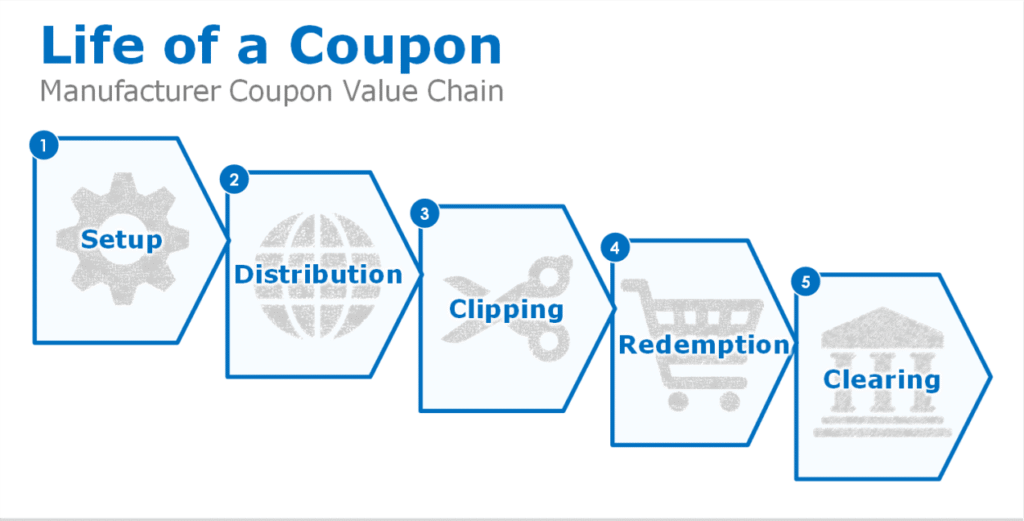
Modern coupon shopping offers more opportunities than ever before.
Consumers can find discounts through various channels including websites, mobile applications, loyalty programs, emails, social platforms, and physical stores.
Many retailers offer exclusive discounts to subscribers or repeat customers. Loyalty programs often provide personalized deals based on purchasing habits.
Digital shopping platforms frequently include promotional codes directly during checkout, making coupon use easier than traditional paper methods.
Consumers who rely on multiple coupon sources increase their chances of finding meaningful savings.
However, finding more coupons does not automatically create better results. Selecting useful coupons remains more important than collecting large numbers of offers.
Learning to Compare Prices Properly
Many shoppers assume that discounted products automatically represent the best deal.
This assumption often leads to overspending.
A large discount percentage does not always mean lower final prices.
Smart shoppers compare:
Original prices
Competitor pricing
Product sizes
Shipping costs
Quality differences
Warranty coverage
Return policies
Sometimes a product with a smaller discount provides better value because its original price was already lower.
Comparing prices prevents consumers from being influenced solely by marketing language.
Real savings come from evaluating total value rather than focusing only on promotional percentages.
Combining Coupons with Sales Events

One of the most effective coupon strategies involves stacking multiple discounts.
Using coupons during sales periods often creates stronger savings because consumers receive price reductions on already discounted products.
Shopping during seasonal promotions, clearance periods, and special events creates opportunities for larger savings.
Many retailers also allow combinations of:
Store discounts
Coupon codes
Loyalty rewards
Cashback offers
Promotional credits
Timing plays a significant role in maximizing savings.
Consumers who practice patience often spend less because they wait for favorable buying conditions rather than making immediate purchases.
Digital Coupon Shopping and Modern Savings
Technology has changed how consumers use coupons.
Digital coupon systems eliminate many traditional barriers and simplify the entire process.
Today, shoppers can activate discounts instantly through mobile applications, websites, digital wallets, and online accounts.
Automatic coupon systems often apply available discounts during checkout without requiring manual entry.
Many consumers also use browser tools that search for available discount codes automatically.
Digital couponing creates convenience, but convenience should not replace thoughtful purchasing decisions.
The goal remains saving money intelligently rather than simply using every available promotion.
Avoiding Common Coupon Shopping Mistakes
Coupon shopping becomes ineffective when consumers develop poor habits.
One common mistake involves purchasing unnecessary products simply because discounts exist.
Another mistake involves buying large quantities without considering actual usage.
Consumers sometimes become overly focused on percentage savings while ignoring total spending.
For example, purchasing multiple discounted items that remain unused creates waste rather than savings.
Some shoppers also fail to monitor expiration dates and lose opportunities because they wait too long.
Successful coupon shopping requires discipline.
Savings increase when consumers focus on intentional purchases rather than emotional reactions to promotional offers.
Grocery Shopping with Coupons

Groceries remain one of the most practical areas for coupon use because food purchases occur regularly.
Many consumers save money by building shopping lists around discounted items.
Meal planning also improves savings because shoppers purchase ingredients with specific purposes rather than buying randomly.
Store brands combined with coupons sometimes provide better overall value than premium brands without discounts.
Buying frequently used products during promotions reduces future expenses.
However, grocery couponing requires balance.
Purchasing more food than necessary often leads to waste, which eliminates potential savings.
Effective grocery couponing focuses on useful purchases rather than maximum quantities.
Using Coupons for Expensive Purchases
Coupons can create meaningful savings on larger purchases as well.
Electronics, appliances, furniture, and home improvement products frequently experience significant price fluctuations throughout the year.
Before making expensive purchases, consumers should research:
Promotional calendars
Holiday sales periods
Price history trends
Manufacturer discounts
Price matching opportunities
Waiting for better timing often produces larger savings than purchasing immediately.
Large purchases usually benefit more from patience because discounts can create substantial reductions.
Consumers who research thoroughly often maintain quality while significantly lowering costs.
Building Long-Term Financial Habits Through Couponing

Money saved through couponing can contribute toward:
Emergency savings
Debt reduction
Investment goals
Household expenses
Travel plans
Coupon shopping works best when it becomes part of broader financial habits.
Consumers who consistently track spending and evaluate purchasing decisions usually experience better long-term results.
Viewing coupon shopping as part of financial management creates stronger motivation and better discipline.
Small savings accumulated consistently often create meaningful financial improvements over time.
Finding Balance Between Saving and Simplicity
Saving money should improve financial health without creating unnecessary complexity.
Some consumers spend excessive time searching for small discounts that create limited value.
Coupon shopping should remain practical.
The objective is increasing efficiency rather than turning every purchase into a complicated process.
Consumers benefit when they understand where effort produces meaningful savings and where convenience becomes more valuable.
Balance allows people to save money consistently while maintaining healthy shopping habits.
FAQ’s
Fashion Deals for Every Season: Save More, Dress Better
When the seasons change, our wardrobes naturally change with them. The light cotton shirts that…

Travel Deals That Make Luxury Vacations More Affordable
There is something magical about waking up to the sound of gentle waves touching the…

Home Deals Under $100 That Deliver Amazing Value
Why Affordable Home Deals Are Worth Considering A home should feel like a place where…

Top Travel Deals for Maldives: Luxury Vacations at Lower Prices
The Maldives is often described as a dream destination, a place where crystal-clear lagoons meet…

Weekly Grocery Offers That Make Shopping More Affordable
Grocery shopping is one of those unavoidable parts of daily life. No matter where you…

Exclusive Travel Deals for Dream Vacations at Unbeatable Prices
Travel has a special way of refreshing the mind and bringing joy back into everyday…