

Finding great deals is no longer only about saving money. Smart shopping today is about getting better value, making informed purchases, and maximizing what you receive for every rupee or dollar spent. Whether you are shopping for travel necessities, upgrading your technology, or buying essentials for your home, understanding how to identify valuable deals can make a significant difference to your budget.
Many people believe finding great deals requires endless hours of searching, but experienced shoppers understand that strategy matters more than time. Knowing when to buy, where to look, and how to compare options can help you save money while still purchasing quality products.
Travel, technology, and home essentials are among the categories where consumers spend heavily throughout the year. Learning how to shop smarter in these areas creates long-term savings while improving overall purchase decisions.
Why Smart Deal Hunting Matters
Many buyers focus entirely on low prices without considering overall value. A product that appears cheaper initially may cost more later through replacements, repairs, or poor performance.
Smart deal hunting focuses on balancing price, quality, usefulness, and durability. The goal is not simply spending less. The goal is maximizing value.
Good deals often come from preparation rather than luck. Shoppers who understand market trends and pricing cycles usually make better purchasing decisions.
This approach reduces impulse purchases and prevents unnecessary spending.
Travel Deals That Actually Save Money

Travel expenses can quickly become expensive if purchases are made without planning. Flights, accommodation, luggage, transportation, and accessories all contribute to total costs.
Many travelers focus only on finding cheap flight tickets while ignoring savings opportunities in other categories.
Travel essentials frequently go on sale during seasonal promotions, holiday events, and clearance periods. Purchasing items before travel seasons begin often provides better pricing.
Some of the most common travel purchases include luggage, backpacks, travel organizers, portable chargers, adapters, and comfort accessories.
Buying these items at discounted prices before trips helps reduce overall travel expenses.
Another important travel-saving strategy involves bundling purchases strategically. Purchasing multiple travel items together during promotions sometimes creates additional discounts.
Planning travel purchases ahead instead of buying everything at the last moment prevents unnecessary spending.
Tech Deals: Buying Smarter Instead of Buying More
Technology changes rapidly, which makes shopping decisions more complicated.
Many consumers purchase new technology simply because newer versions appear attractive, even when upgrades provide minimal benefits.
Finding good technology deals requires understanding actual needs rather than chasing trends.
Laptops, smartphones, headphones, accessories, monitors, and storage devices frequently experience major price fluctuations throughout the year.
Buying during promotional periods often creates significant savings.
However, smart technology shopping involves more than waiting for discounts.
Understanding specifications, compatibility, and long-term usability matters equally.
Many discounted products appear attractive but may become outdated quickly or fail to meet future needs.
Consumers who research before purchasing usually make better long-term decisions.
Understanding Product Cycles Helps Find Better Deals
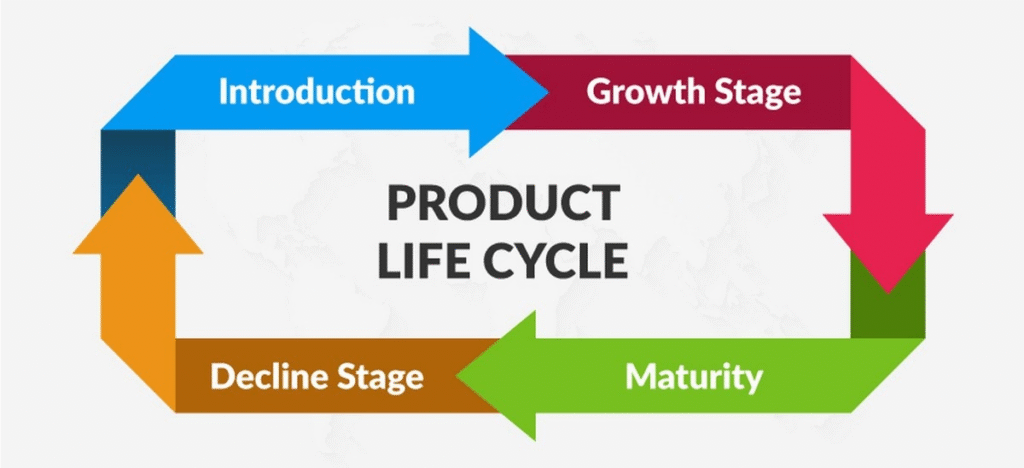
Technology products follow predictable release cycles.
When newer models launch, older versions frequently receive price reductions despite remaining highly capable.
Many shoppers automatically choose the newest release without considering whether previous-generation products offer better value.
Understanding product cycles helps identify opportunities where performance remains excellent while prices become more affordable.
This strategy is especially useful for laptops, phones, televisions, and accessories.
Timing purchases around release schedules often produces substantial savings.
Home Essentials: Saving Money on Everyday Purchases
Home essentials may appear inexpensive individually, but combined spending across months and years becomes substantial.
Furniture, kitchen products, storage solutions, cleaning equipment, appliances, and home accessories all represent recurring expenses.
Buying these items strategically creates noticeable savings.
Many home products experience strong seasonal pricing patterns.
For example, certain furniture discounts appear during clearance periods while appliances may receive promotional pricing during major sales seasons.
Planning purchases around these patterns helps reduce costs.
Another important strategy involves prioritizing functionality.
Many consumers overspend on decorative features while ignoring practical requirements.
Choosing products based on usefulness rather than appearance alone often creates better long-term satisfaction.
Compare Prices Before Making Decisions
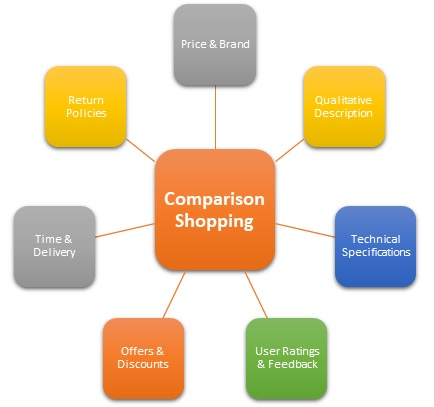
One of the simplest ways to find better deals is comparison shopping.
Prices for identical products frequently vary across different sellers.
Many consumers purchase immediately after seeing the first acceptable price without checking alternatives.
Comparing prices across multiple platforms provides a better understanding of normal pricing ranges.
This process helps identify whether discounts are genuine or simply marketing tactics.
Price comparisons become especially important for expensive purchases where small percentage differences create significant savings.
Read Reviews Before Buying
A discounted product only becomes a good deal if it performs well.
Reading reviews helps identify common problems before purchasing.
Customer feedback often reveals useful information regarding durability, reliability, ease of use, and overall satisfaction.
Review analysis also helps avoid purchases driven entirely by marketing.
Products with strong reviews and reasonable pricing usually provide better long-term value than heavily advertised alternatives.
Combining price research with review analysis improves purchasing confidence.
Avoid Impulse Buying During Sales
Large sales events create urgency.
Limited-time promotions often encourage consumers to purchase products they never planned to buy.
While discounts create opportunities, unnecessary purchases still increase spending.

Before purchasing during sales periods, ask whether the product solves an actual need.
Creating shopping lists before browsing reduces emotional purchasing decisions.
Discipline during sales periods often creates more savings than discounts themselves.
Subscription Costs and Hidden Expenses Matter
Some products create ongoing expenses beyond the original purchase price.
Technology products may require subscriptions.
Travel services may include extra fees.
Home appliances may require accessories or maintenance.
Considering total ownership costs creates more accurate comparisons.
The cheapest initial purchase does not always become the most affordable long-term option.
Understanding complete costs prevents unexpected financial surprises later.
Build a Long-Term Shopping Strategy
The most successful shoppers rarely depend on random discounts.
Instead, they create habits.
Tracking prices, researching products, comparing alternatives, and planning purchases gradually improves decision-making.
Over time, these habits create substantial savings without reducing quality of life.
Building a shopping strategy turns purchasing into a more intentional process rather than a reactive one.
Better planning creates better deals.
FAQ’s
Fashion Deals for Every Season: Save More, Dress Better
When the seasons change, our wardrobes naturally change with them. The light cotton shirts that…

Travel Deals That Make Luxury Vacations More Affordable
There is something magical about waking up to the sound of gentle waves touching the…

Home Deals Under $100 That Deliver Amazing Value
Why Affordable Home Deals Are Worth Considering A home should feel like a place where…

Top Travel Deals for Maldives: Luxury Vacations at Lower Prices
The Maldives is often described as a dream destination, a place where crystal-clear lagoons meet…

Weekly Grocery Offers That Make Shopping More Affordable
Grocery shopping is one of those unavoidable parts of daily life. No matter where you…

Exclusive Travel Deals for Dream Vacations at Unbeatable Prices
Travel has a special way of refreshing the mind and bringing joy back into everyday…