

Grocery shopping is one of those things that never really disappears from our monthly routine. Even if you try to plan everything perfectly, there is always something running out. One week it is cooking oil. Then the rice needs replacing. A few days later, you realise there is barely any tea, biscuits, or detergent left at home.
And when all of these small purchases are added together, the grocery bill can become surprisingly large.
That is where grocery offers can be useful.
In 2026, shoppers have plenty of ways to look for better prices on everyday products. Online grocery stores, supermarkets, local shops, and special sale periods may offer discounts, coupons, cashback, free delivery, or bundle deals. But getting a lower price is not the only thing that matters.
A good grocery deal should actually help you spend less on things you were going to buy anyway.
There is not much point in buying five packets of something simply because the offer looks attractive if you only needed one.
Why Grocery Offers Can Make a Difference
Unlike fashion or gadgets, groceries are things people buy regularly. You may not notice a small saving on one packet of rice or a bottle of cooking oil, but those small amounts can add up over several shopping trips.
For example, if you regularly find a useful ₹50 or ₹100 saving on a larger grocery order, that can make a noticeable difference over a month.
The key word here is useful.
A discount is only helpful when it reduces the cost of something you actually need.
This is why it is worth looking at grocery offers with a little more attention instead of adding products to your cart simply because a sale banner says they are cheaper.
Make a Grocery List Before Looking at Offers
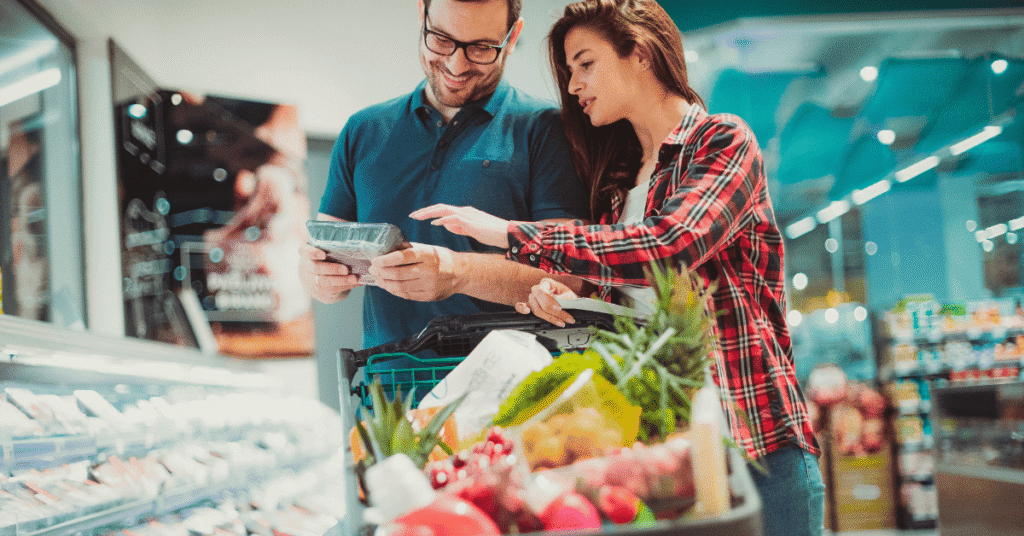
One of the easiest ways to avoid unnecessary spending is also one of the simplest: make a list.
Before opening a shopping app or heading to the supermarket, take a quick look around your kitchen.
What is nearly finished?
What do you normally buy every week?
What can wait until the next shopping trip?
It does not have to be a perfect list. Even writing down ten or fifteen regular items can make shopping much easier.
Without a list, it is very easy to see a special offer and think, “Maybe I should get this too.”
Then the cart slowly gets bigger.
A list gives you something to come back to when that happens.
Look for Offers on Everyday Essentials

Some grocery categories are purchased so regularly that finding a small discount can be genuinely useful.
These include products such as rice, flour, pulses, cooking oil, spices, sugar, tea, coffee, packaged foods, cleaning products, and personal-care essentials.
You do not necessarily need to buy a different brand every time just because it is cheaper. If you already know that a particular product works well for your household, a discount on that item can be worth checking.
At the same time, comparing similar products can sometimes reveal a better value.
Just remember to compare the quantity too.
A ₹100 packet and a ₹150 packet cannot be compared properly without checking how much product each one contains.
Bigger Packs Are Not Always Cheaper

This is something many shoppers overlook.
A larger pack can look like a better deal, but that is not guaranteed.
Imagine you see two options:
One product costs ₹80 for 500 grams.
Another costs ₹145 for 1 kilogram.
The second one may appear more expensive at first glance, but the price per kilogram could actually be lower.
This kind of comparison is especially useful for rice, flour, pulses, sugar, cereals, and other products that you regularly use.
However, there is one more thing to consider: storage.
Buying a large quantity makes sense only if you have enough space and will use the product before it becomes a problem.
A bargain that ends up being wasted is not really a bargain.
Check the Price Per Unit
When grocery shopping online, it can be tempting to compare only the final price shown in large numbers.
Try looking a little closer.
Check the price per kilogram, litre, gram, or individual item whenever that information is available.
This makes it easier to compare different pack sizes.
It is especially helpful when one brand offers a 400-gram packet and another offers 500 grams. The cheaper-looking packet is not necessarily the cheaper option once the quantities are compared.
It takes an extra few seconds, but those seconds can help you make a better decision.
Coupons Can Lower the Final Bill
Grocery platforms often offer coupons during special promotions.
Some coupons provide a direct discount, while others may work only after reaching a minimum order value. There may also be offers connected to specific payment methods.
Before using a coupon, read the conditions.
If the offer says you need to spend ₹1,500 to save ₹150, ask yourself whether you were already planning to spend around that amount.
If your original grocery list was only ₹900, adding another ₹600 worth of products just to get the discount does not necessarily save money.
It can actually increase your spending.
The best coupon is usually one that works with your normal shopping plan.
Cashback and Bank Offers
Sometimes the discount is not shown directly on the product page.
You may find an additional benefit at checkout through cashback, a bank offer, a wallet promotion, or another payment deal.
These offers can be useful, but always check the terms before counting the saving.
For example, an offer might require a minimum transaction value or may apply only to certain cards.
Also check whether the benefit is an immediate discount or cashback that you receive later.
The important number is still the amount you ultimately have to pay and what you genuinely get back.
Do Not Ignore Delivery Charges
An online grocery order can look inexpensive until delivery charges appear at checkout.
This is why checking the final bill is important.
A product might be slightly cheaper online, but if an additional delivery charge makes the total higher than buying it locally, the “deal” may not be as useful as it first appeared.
On the other hand, if you already qualify for free delivery because of your order size, the online option may make more sense.
Always compare the final amount instead of judging the offer from the product page alone.
Check Expiry Dates for Sale Products

When you see a particularly low price on packaged food, it is worth checking the expiry or best-before information.
This does not mean discounted products are automatically close to expiry. They are not.
It simply means that when buying larger quantities, especially during clearance-style offers, you should make sure you will have enough time to use everything.
This is particularly important for products you do not consume quickly.
There is no real saving in buying three packets for the price of two if one packet ends up unused.
Fresh Produce Needs a Different Approach
Vegetables and fruits are a little different from packaged groceries.
Price matters, but freshness matters too.
If you are buying fresh produce online, check how the platform handles substitutions, damaged items, refunds, or complaints. If you prefer choosing your own vegetables, a local market may sometimes be more convenient.
For items you buy frequently, you can also keep an eye on normal prices instead of relying only on sale labels.
Knowing what something usually costs makes it much easier to recognise a genuinely good offer.
Compare Brands Before Buying


Brand loyalty can be useful, especially when you already know what your family prefers.
But sometimes a sale gives you an opportunity to compare.
If two similar products have comparable ingredients, quantity, and reviews, the lower-priced option may be worth considering.
This does not mean choosing the cheapest product every time.
Taste, quality, ingredients, packaging, and personal preference all matter.
The goal is simply to avoid paying extra automatically when a suitable alternative is available.
Watch Out for “Buy More, Save More” Offers
Buy-one-get-one offers and multi-pack deals can look very attractive.
Sometimes they are genuinely helpful.
If you regularly buy something like toothpaste, detergent, or household cleaning products, buying more during a good offer can make sense if you have enough storage space.
But for perishable food, be more careful.
Buying six items because the unit price is lower is not useful if your family will only consume two before the rest go unused.
Think about your normal consumption instead of the size of the discount.
Plan Grocery Shopping Around Your Household

Every household shops differently.
A family with children may go through snacks, milk, cereals, and other products quickly. Someone living alone may need much smaller quantities.
That means there is no single “best” grocery deal for everyone.
The right offer depends on what you actually consume.
If your household uses rice every day, a good rice offer could be more valuable to you than a discount on packaged snacks.
If you cook less often, smaller packs may make more sense.
Understanding your own shopping habits is one of the easiest ways to avoid unnecessary purchases.
Keep an Eye on Your Monthly Grocery Budget
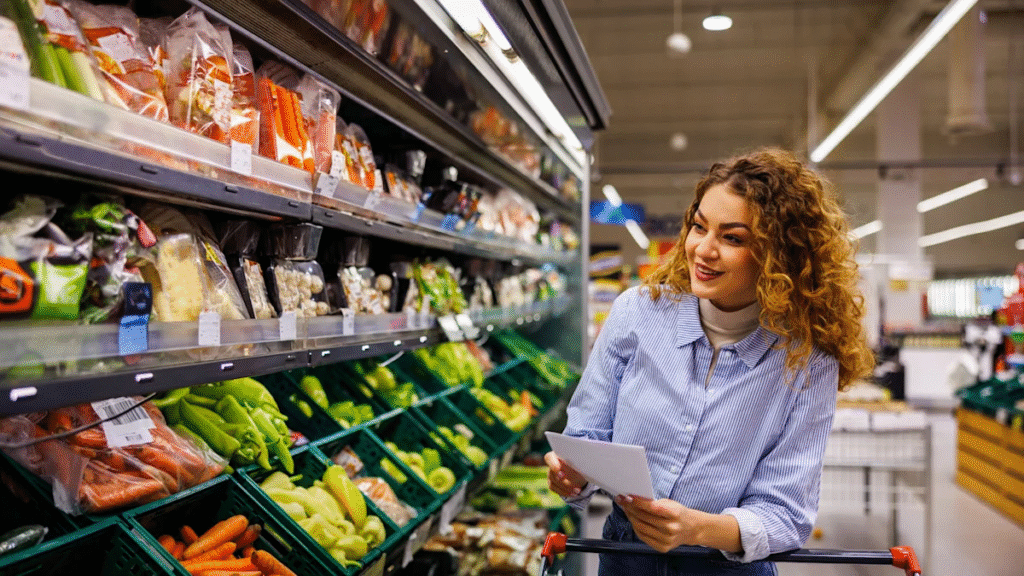
It can be helpful to decide roughly how much you want to spend on groceries each month.
You do not have to track every rupee in a complicated spreadsheet if that feels like too much work.
A simple note on your phone can be enough.
Write down your grocery spending after each major shopping trip. After a few weeks, you may notice where most of your money is going.
Maybe snacks are taking up more of the budget than expected. Maybe household cleaning products are the bigger expense.
Once you know where the money is going, it becomes easier to look for relevant offers.
Do Not Let a Sale Decide What You Need
This might be the most important part of grocery shopping.
A “limited-time deal” can create a feeling that you have to buy immediately.
But groceries are usually not something where every offer is a once-in-a-lifetime opportunity.
If you do not need something, you can leave it.
If you do need it, compare the price and decide whether the saving is actually worthwhile.
This small habit can prevent a lot of unnecessary spending.
A Simple Way to Shop Smarter
Before completing a grocery order, take a minute and check five things:
What am I buying?
Make sure the products are actually needed.
How much am I getting?
Compare pack sizes instead of looking only at the selling price.
What is the final bill?
Include delivery charges, taxes, and other applicable costs.
Is there a useful offer?
Check coupons, cashback, and payment offers.
Will everything be used?
Especially important when buying large packs or multiple quantities.
It sounds simple, but this little check can make grocery shopping much more organised.
Final Thoughts
Affordable grocery offers in 2026 can make everyday shopping a little easier on the budget. Whether you are buying cooking essentials, packaged foods, household supplies, or personal-care products, there are plenty of opportunities to look for better prices.
But saving money does not mean buying the largest quantity or chasing every discount.
Sometimes the smarter choice is a smaller pack because you know you will finish it. Sometimes buying a larger pack makes sense because your family uses the product every day. And sometimes the best decision is simply not buying something that was never on your list.
Compare prices, check quantities, read offer conditions, and keep your regular shopping habits in mind.
A grocery deal does not have to be dramatic to be useful. Saving a little on the things you already buy can be much more valuable than spending extra money on products you did not really need.
At the end of the month, those small decisions can add up—and that is where a good grocery offer can make a real difference.