

Technology has become part of nearly every aspect of daily life. From smartphones and laptops to smart home devices and entertainment systems, electronics are no longer considered luxury purchases for many people. However, as technology evolves quickly, keeping up with new devices can become expensive. This is why learning how to find better tech deals has become an important skill for modern buyers.
Smart buyers understand that saving money on electronics is not simply about choosing the cheapest option available. Instead, it involves understanding timing, researching products, comparing prices, and making purchasing decisions based on actual value. Mastering tech deals is about buying smarter rather than spending more.
Understanding the Difference Between Price and Value
One of the biggest mistakes people make when shopping for electronics is focusing only on price. A lower price may seem attractive initially, but if the product fails to meet expectations or needs replacement quickly, the savings disappear.
Value is different from price because it considers performance, durability, features, support, and long-term usefulness. Smart buyers evaluate whether a product will continue delivering benefits months or years after purchase.
For example, purchasing a slightly more expensive laptop that lasts several years often creates better value than buying a cheaper alternative that struggles after a short period. Understanding this difference changes how people approach technology purchases.
Why Research Matters Before Buying Electronics
Technology products often come with long lists of specifications, features, and marketing promises. Without research, buyers may end up paying extra for features they never use or miss important limitations that affect performance.
Research allows buyers to understand how products perform in real-world situations rather than relying entirely on advertisements. Reading reviews, comparing specifications, and understanding user experiences provide a clearer picture of what a product actually offers.
Smart buyers rarely make immediate purchases. Instead, they spend time understanding available options and comparing multiple choices before making decisions.
The goal of research is not to become a technical expert. It is simply to make informed decisions that reduce buyer regret.
Timing Plays a Major Role in Tech Deals

One important aspect of saving money on electronics is understanding timing. Technology pricing changes constantly. New releases, seasonal promotions, inventory clearances, and special sales events all affect pricing.
Smart buyers understand that buying immediately after a new product launch often means paying premium prices. Waiting a few months can sometimes produce significant savings without sacrificing much performance.
Certain periods throughout the year also create opportunities for better pricing. Retailers frequently adjust pricing during promotional periods, product transition cycles, and inventory refreshes.
Patience often becomes one of the strongest tools for saving money.
Comparing Products Instead of Following Hype
Technology marketing is designed to create excitement. Every year, companies introduce products claiming to be faster, smarter, thinner, or more powerful. While innovation is valuable, not every new feature creates meaningful improvements for every buyer.
Smart shoppers compare products based on personal needs rather than marketing trends.
Someone purchasing a smartphone for basic communication, streaming, and photography may not benefit significantly from paying extra for premium performance features designed for specialized users.
Similarly, many people purchase expensive electronics because of trends rather than actual usage requirements.
Comparing products realistically helps buyers focus on functionality instead of hype.
Understanding Specifications Without Overcomplicating Things

Many people feel overwhelmed when looking at technical specifications. Processor names, storage types, display technologies, and connectivity options can quickly become confusing.
Smart buyers simplify the process by focusing only on specifications that affect their intended use.
A student looking for a laptop may prioritize battery life, portability, and reliability. A content creator may focus more on performance and storage capacity.
Understanding personal priorities makes specifications easier to evaluate because buyers stop trying to compare every technical detail.
Technology becomes easier to shop for when people focus on how products fit their needs instead of chasing maximum specifications.
Refurbished and Open-Box Electronics Can Offer Strong Value
Many buyers automatically avoid refurbished products because they assume lower quality. In reality, refurbished and open-box electronics often provide opportunities for significant savings.
These products may include returned devices, inspected products, or items with damaged packaging that cannot be sold as new.
Smart buyers evaluate warranty coverage, return policies, and seller reputation before purchasing refurbished electronics.
In many cases, these purchases provide nearly identical experiences while reducing overall costs considerably.
Understanding alternative buying options expands opportunities for finding better deals.
Avoiding Emotional Purchases
Electronics shopping can easily become emotional. Limited-time offers, countdown timers, promotional messaging, and social trends create pressure to buy quickly.
Smart buyers understand that urgency does not always equal value.
Before purchasing, experienced shoppers ask simple questions.
Do I actually need this product now?
Will this purchase improve something important?
Would I still want this product after waiting a few days?
Creating small delays between interest and purchase often reduces unnecessary spending.
Emotional purchases usually feel exciting initially but often create regret later.
Considering Total Ownership Costs
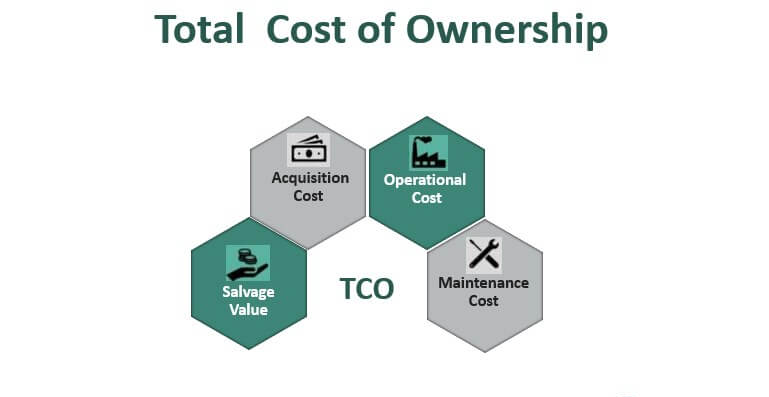
The purchase price is not always the complete cost of owning electronics.
Some devices require accessories, subscriptions, software, maintenance, or future upgrades.
For example, buying a printer may involve ongoing supply costs. Purchasing a gaming device may require additional accessories. Smart home products may involve subscription services.
Smart buyers evaluate total ownership costs rather than focusing only on initial prices.
Understanding long-term expenses creates more realistic purchasing decisions.
Building a Personal Buying Strategy
Every smart buyer eventually develops a personal approach to electronics shopping.
Some buyers create spending limits before shopping begins. Others maintain lists of desired products and wait for favorable pricing.
Some prefer comparing multiple retailers while others focus heavily on product reviews.
Creating a buying strategy reduces impulsive decisions because buyers already understand how they plan to evaluate purchases.
A simple strategy creates consistency and makes shopping less stressful.
Over time, buyers become more confident because decisions are based on systems rather than emotions.
Learning When Not to Upgrade
Technology changes rapidly, but constant upgrades are not always necessary.
Many buyers replace electronics because newer versions exist rather than because current devices no longer perform adequately.
Smart buyers ask whether existing devices still meet current needs.
If a laptop works efficiently, replacing it simply because newer models exist may provide little practical benefit.
Extending product life often creates larger savings than finding discounts.
Sometimes the smartest tech deal is choosing not to buy at all.
Protecting Purchases After Buying

Saving money does not end when a purchase is completed.
Proper maintenance, careful usage, software updates, and responsible storage extend product lifespan.
Electronics that last longer naturally create better financial value.
Simple habits such as cleaning devices properly, using protective accessories, and following maintenance recommendations can significantly improve longevity.
Protecting purchases ensures that money spent continues delivering value for longer periods.
Developing Confidence as a Smart Tech Buyer
One major difference between average buyers and smart buyers is confidence.
Confident buyers understand their needs, research products carefully, avoid unnecessary pressure, and make decisions based on value.
Confidence reduces impulsive behavior because buyers know what they are looking for.
Over time, this confidence creates better purchasing habits.
The goal is not to become perfect at finding deals. The goal is simply to make more informed decisions consistently.
Technology shopping becomes easier when buyers trust their process.
Conclusion
Mastering tech deals is not about constantly chasing discounts or purchasing the cheapest electronics available. It is about understanding value, researching products carefully, timing purchases wisely, and making decisions based on actual needs.
Smart buyers save more because they approach electronics shopping strategically. They understand that patience, research, and disciplined decision-making often create better results than impulsive purchases.
As technology continues evolving, these habits become even more valuable. Electronics will always change, new products will always appear, and promotions will always create pressure.
The advantage belongs to buyers who know how to navigate these choices intelligently.
In the end, mastering tech deals is less about spending less money and more about spending money better.
FAQ’s
1. How can I find the best tech deals?
Compare prices, research products, and wait for sales periods.
2. Is buying refurbished electronics a good idea?
Yes, if they include warranties and come from trusted sellers.
3. When is the best time to buy electronics?
Major sales events and product launch periods often offer better prices.
4. How do smart buyers avoid overspending?
They focus on needs, compare options, and avoid impulse buying.
5. Why is research important before buying electronics?
It helps buyers choose products with better value and performance.

Fashion Deals for Every Season: Save More, Dress Better
When the seasons change, our wardrobes naturally change with them. The light cotton shirts that…

Travel Deals That Make Luxury Vacations More Affordable
There is something magical about waking up to the sound of gentle waves touching the…

Home Deals Under $100 That Deliver Amazing Value
Why Affordable Home Deals Are Worth Considering A home should feel like a place where…

Top Travel Deals for Maldives: Luxury Vacations at Lower Prices
The Maldives is often described as a dream destination, a place where crystal-clear lagoons meet…

Weekly Grocery Offers That Make Shopping More Affordable
Grocery shopping is one of those unavoidable parts of daily life. No matter where you…

Exclusive Travel Deals for Dream Vacations at Unbeatable Prices
Travel has a special way of refreshing the mind and bringing joy back into everyday…