

Whenever I think about grocery shopping, I realise how quickly we run out of things at home. One day, the kitchen seems fully stocked, and a few days later, there is hardly any cooking oil left. The tea is almost finished, someone needs milk, and suddenly I remember that I forgot to buy atta on my last visit to the market.
This is the part of grocery shopping I find a little difficult to manage. We don’t always buy everything in one go. Sometimes we visit the local shop for just two things, and sometimes we end up bringing home a full bag of groceries even when we only planned to buy a few essentials.
The spending doesn’t always feel serious at the time. A small purchase here and another one a day later seem normal. But when I think about how often we buy groceries, I understand why the monthly total can become quite high.
That is why I like the idea of checking grocery offers before shopping. If something I regularly use is available at a lower price, why not take advantage of it? At the same time, I don’t think every discount is worth following. There is no point in buying another packet of biscuits just because it is on sale when there are already enough at home.
For me, saving money on groceries is more about making sensible choices than following a strict budget. Here are a few things I would keep in mind while looking for the best grocery offers in 2026.
1. Start With the Things You Actually Need
Whenever I think about grocery shopping, I start with the basics. What is finished? What will run out soon? And what can wait until next week?
It sounds simple, but checking these things first can make shopping much easier.
In an Indian household, there are certain products we keep buying throughout the month. Atta, rice, dal, cooking oil, sugar and tea are common examples. Then there are everyday items such as detergent and dishwashing liquid that need replacing from time to time.
I would check the prices of these products before worrying about smaller discounts on things I rarely buy. If the cooking oil I normally use is cheaper this week, that offer is worth considering. If a product I don’t need is heavily discounted, I can simply leave it.
I also wouldn’t change brands every time I saw a lower price. If I already know that a product works well for my household, saving a few rupees may not be worth switching to something I might not like.
The easiest place to begin is with your regular shopping list. You don’t have to change your entire routine to start spending more carefully.
2. I Would Check Online Grocery Offers Before Ordering
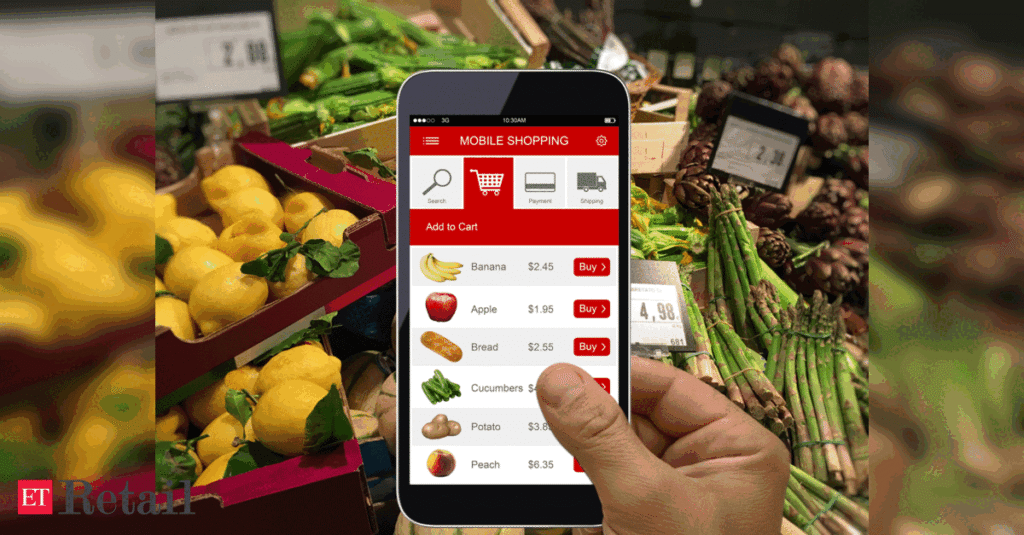
Online grocery shopping is useful, especially when several things need to be bought together. Carrying a large bag of rice, flour and other household essentials isn’t always convenient, so home delivery can make life easier.
I would check the available offers before placing an order. Sometimes, grocery apps show discounts, coupon codes, cashback or bank offers. These can be helpful, but I would always look at the final amount before paying.
For example, imagine I have added groceries worth ₹460 to my cart. The app says delivery is free on orders above ₹499. I notice a product costing ₹45 and think about adding it.
But then I would ask myself one question: do I actually need that product?
If it is something I was planning to buy anyway, adding it makes sense. If not, I might be spending more just to avoid a delivery charge. That doesn’t feel like much of a saving to me.
I would also avoid opening several apps just to compare the price of every small item. For a large order, checking prices can be useful. For a packet of salt, spending too much time searching for a cheaper option may not be worth the effort.
3. Why I Would Still Visit the Local Kirana Shop

Even with online shopping becoming convenient, I think local grocery shops are useful for everyday needs.
Imagine getting ready to prepare dinner and realising there is no coriander left. Or perhaps you need only a little curd or two tomatoes. In that situation, a nearby shop is often the easiest option.
I also like the idea of buying only the quantity needed. If I need a few potatoes for a meal, there is no reason to buy a large bag that might sit in the kitchen for days.
Prices can differ from one shop to another. A supermarket may have a better offer on packaged goods, while the local vegetable seller might have a better price on fresh produce. It depends on the day and what is available.
I would also consider the distance. Saving ₹10 on a product doesn’t seem particularly useful if I have to travel far and spend money on transport to get it.
Instead of choosing between online shopping and local shops, I would use whichever option makes sense for that particular purchase.
4. Supermarket Sales Can Be Tempting
One thing I would be careful about during supermarket shopping is picking up extra products without realising it.
You might enter the store to buy detergent and come across discounted biscuits. Then you see a packet of namkeen or a drink you haven’t tried before. Everything looks affordable, so adding one more item doesn’t seem like a big deal.
But the final bill includes all those little additions.
I don’t think buying snacks or treats is a problem. We all have things we enjoy eating at home. The question is whether we planned to buy them or picked them up only because they were on sale.
Before paying, I would take a quick look at the basket. If there are products I genuinely want, I can keep them. If I added something without thinking, I can put it back.
There is no need to feel that every sale must be used. Another offer will come along, and I would rather buy something when I need it than spend money simply because the price looks attractive.
5. Check the Quantity Before Choosing a Deal

Sometimes, the bigger packet looks like the better option, but I would compare the price before deciding.
Suppose one packet contains 500 grams and costs ₹60, while another contains one kilogram and costs ₹110.
The smaller packet works out to ₹120 per kilogram. The larger packet costs ₹110 per kilogram, so it is cheaper for the same quantity.
If I use the product regularly, I might choose the bigger pack. But if I need only a little, paying ₹60 could be easier than spending ₹110 at once.
Storage is another thing I would think about. Buying a large quantity of flour or rice isn’t helpful if there isn’t enough space to store it properly. The same goes for products that may lose freshness if left open for too long.
I would pay particular attention to pack sizes when buying pulses, flour, rice and household cleaning products. Comparing the price per kilogram or litre can help me understand which offer gives better value.
The lowest price on the packet isn’t always the most useful choice. It depends on how much I need and what I can comfortably spend.
6. Have a Quick Look in the Kitchen First

I think one of the easiest grocery mistakes to make is buying something that is already at home.
It can happen when a packet is hidden behind other containers or when different people in the family buy groceries. Someone brings home dal, and later another packet appears because nobody remembered the first one.
Before shopping, I would check the kitchen shelves and see what is actually running low. I would also look in the fridge because there may be vegetables that need to be used before buying more.
A shopping list on my phone would make this easier. When something finishes, I can add it to the list instead of trying to remember everything later.
I wouldn’t make the list complicated. I would simply write down the essentials that need replacing and anything required for meals planned over the next few days.
This little habit can prevent unnecessary purchases and help me make better use of the groceries already available.
7. Buy Vegetables for the Meals You Have in Mind
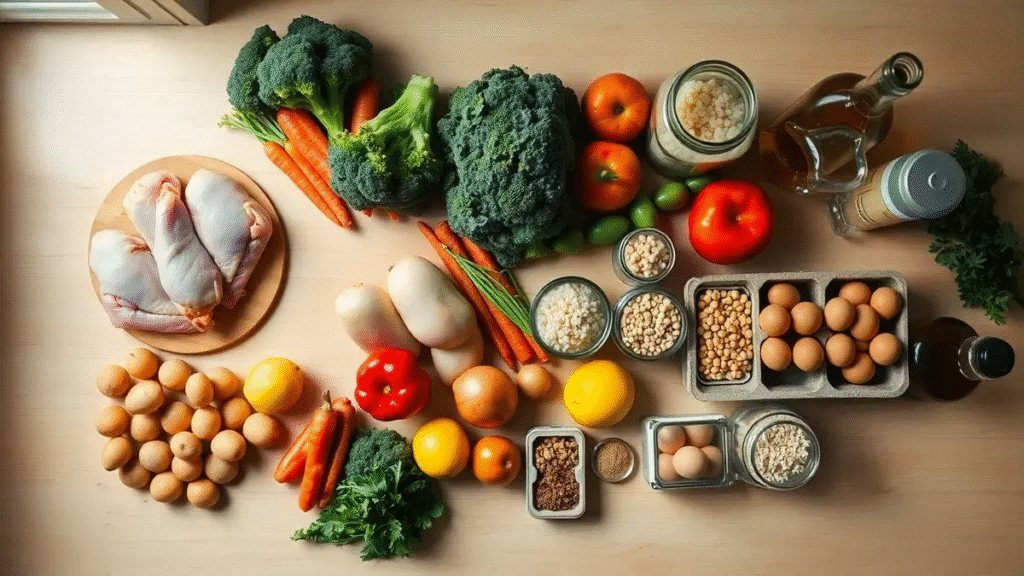
Vegetables are something I would buy according to what I expect to cook, rather than simply choosing the largest quantity available at a low price.
Sometimes, a vegetable is cheaper than usual, and buying extra might be sensible. But I would first think about whether it will actually be used.
For example, if potatoes are needed for aloo sabzi and I am planning to make a vegetable curry, I already have an idea of what belongs on the shopping list. I can check what is available at home and buy the remaining ingredients.
Fresh vegetables can spoil, particularly when the weather is warm or there isn’t much space in the fridge. Throwing them away later would mean wasting money that could have been saved.
Seasonal vegetables may be more affordable in some markets, but I would still check their freshness and quality. A lower price doesn’t help much if the produce is already damaged.
I also wouldn’t feel that I must buy vegetables in bulk. Smaller quantities can be more practical for a household that cooks only a little at a time.
8. Read Coupon Conditions Before Using Them

Coupons can be useful, but I would check the conditions before changing my shopping list to qualify for one.
Suppose my order comes to ₹750, and the coupon requires a minimum spend of ₹1,000. I would need another ₹250 worth of products to use it.
Before adding anything, I would check whether there is something I genuinely need. Perhaps detergent is almost finished or tea needs replacing soon. In that case, buying it now could be convenient.
If the kitchen is already stocked, I wouldn’t add random products simply to unlock the discount.
Cashback works in a similar way. Getting ₹40 back on an order I was already going to place is helpful. Spending extra money just to qualify for that cashback may not be.
I would also check whether the offer applies to the products in my cart and whether there are any payment requirements or limits.
My preference would be to make the shopping list first and look at the coupons afterwards. That way, I can use an offer when it suits me instead of buying things just to satisfy its conditions.
9. Keep Some Money for the Snacks You Enjoy
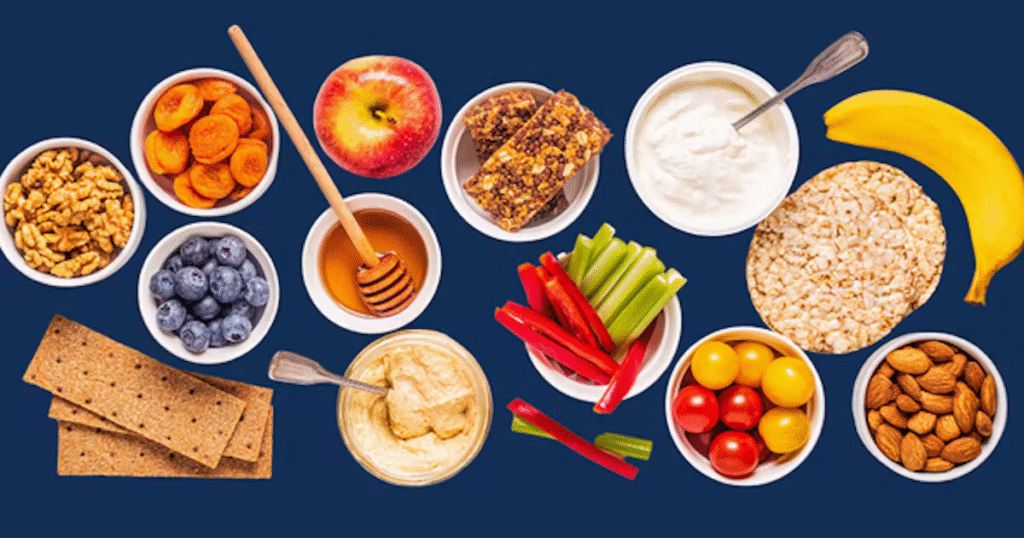
Grocery shopping isn’t only about rice, dal and cooking oil. Many of us also buy biscuits for tea, namkeen for the evening or something sweet to share with the family.
I don’t think these purchases need to be avoided completely. It is reasonable to keep a little room in the budget for things we enjoy.
The only thing I would watch is how often I buy extras without planning to. A packet costing ₹20 or ₹30 may not seem expensive, but several small purchases during the week can increase the grocery bill.
I would set aside a modest amount for snacks and treats so that these purchases don’t interfere with money needed for essentials.
I would also ask myself whether I actually want the product or whether the discount is the only reason I picked it up. If it is something I enjoy regularly, buying it on offer might be sensible. If not, I can leave it for another time.
10. Notice Where Your Grocery Money Goes
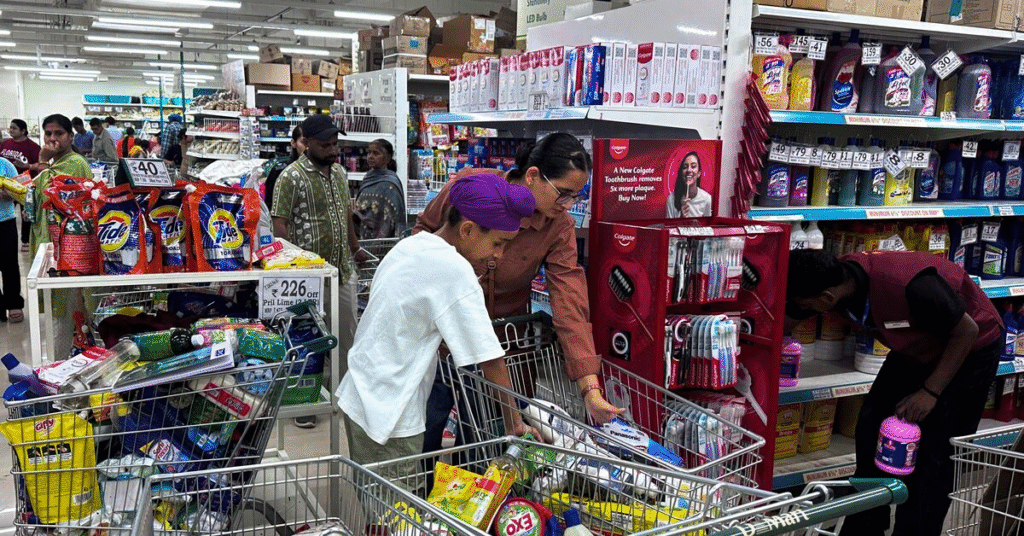
Sometimes, it is difficult to understand grocery spending because the purchases happen on different days and in different places.
There may be one large supermarket bill, a few online orders and several small visits to the local shop. By the end of the month, remembering every purchase becomes difficult.
I would try keeping a simple record for a few weeks. It could be a note on my phone where I write down the amount spent after each grocery trip.
At the end of the month, I could look at the total and see whether anything stands out. Perhaps most of the money goes towards essential groceries. Or maybe the smaller purchases are adding more than expected.
There is no need to turn this into a complicated budgeting exercise. A basic record is enough to help me understand my habits and decide whether any changes are needed.
I would focus on what I can improve rather than worrying about every small purchase. The purpose is to make grocery shopping easier to manage, not to make it stressful.
11. A Few Grocery Shopping Habits I Would Avoid
If I wanted to manage my grocery spending better, I would start by watching out for a few common habits.
- Buying something only because it has a discount label.
- Ordering extra products just to qualify for free delivery.
- Choosing a larger packet without checking whether I can use it.
- Forgetting to check what is already in the kitchen.
- Buying more vegetables than the household can finish.
- Ignoring delivery charges while comparing online prices.
I wouldn’t expect myself to get every decision right. Sometimes, an extra item will end up in the basket, or I may find a better price after buying something. That is normal.
What matters is noticing these habits and making small changes when possible. A shopping list, a quick kitchen check and a closer look at the final bill are good places to start.