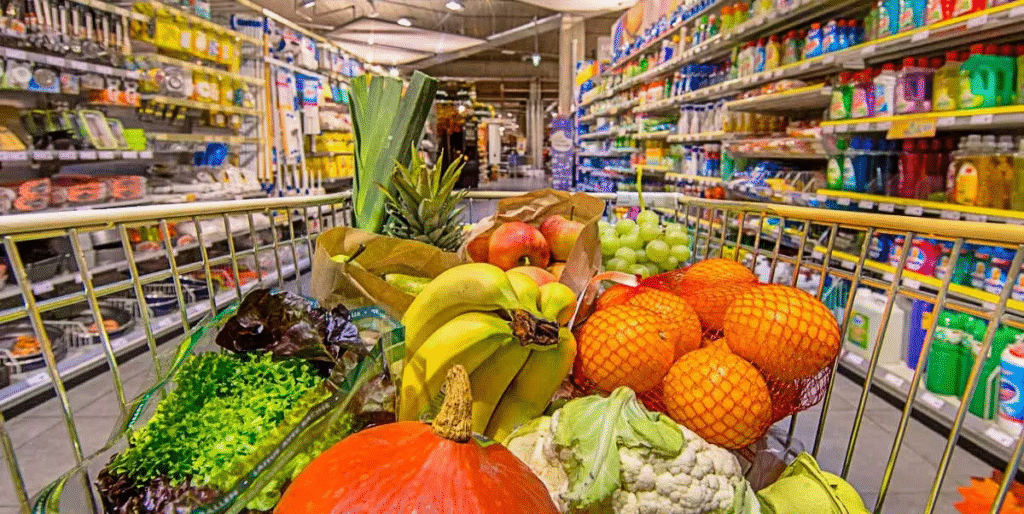
Walking through a grocery store can feel a little like wandering through a forest after the rain. Every aisle offers something new, every shelf seems to whisper another choice, and every basket slowly fills before we even notice. Many people believe saving money on groceries means giving up the foods they enjoy, but that is far from the truth. Learning how to save big with exclusive grocery offers is not about buying less. It is about buying wisely.
Small savings made every week grow quietly, much like a young tree stretching its roots beneath the soil before anyone notices its height. Over a month or a year, those small discounts become meaningful amounts that can help your household budget breathe a little easier.
Exclusive grocery offers give shoppers the opportunity to enjoy quality products without paying full price. Whether you shop online or visit your local supermarket, understanding how these offers work can help you spend less while still bringing home everything your family needs.
Why Exclusive Grocery Offers Matter
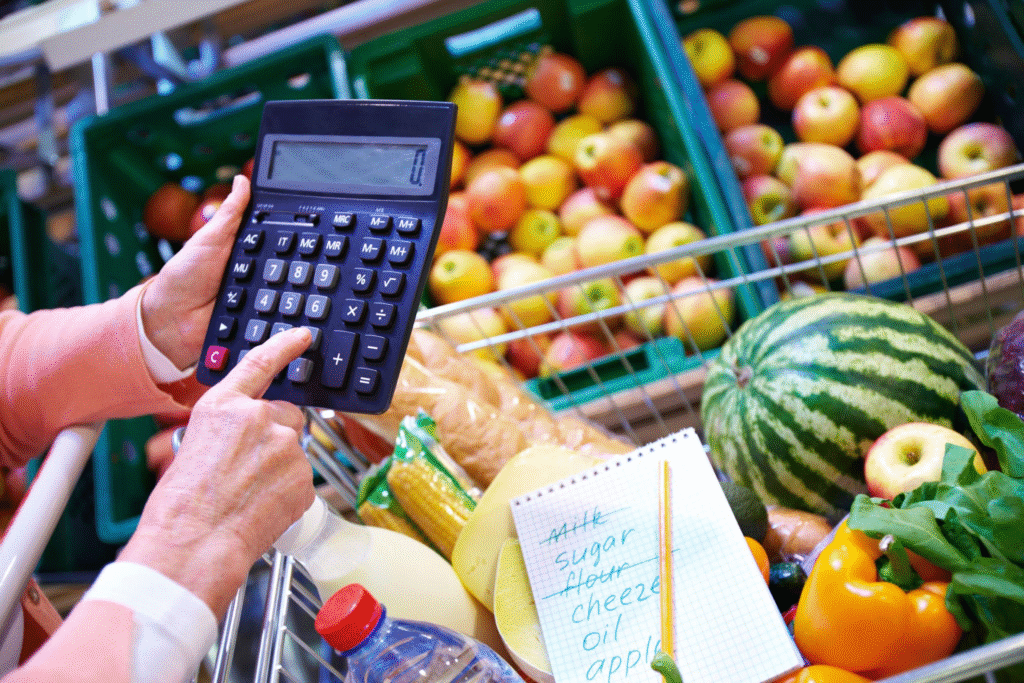
Every household has regular expenses, and groceries usually take up a significant part of the monthly budget. Food is essential, but paying more than necessary is not.
Exclusive grocery offers help reduce everyday costs by providing discounts on items people already buy. These promotions often include fresh produce, dairy products, household essentials, frozen foods, snacks, beverages, and personal care products.
Many shoppers overlook these deals because they assume they require complicated memberships or endless coupon clipping. In reality, most exclusive offers are surprisingly easy to access through store memberships, mobile apps, loyalty programmes, or weekly promotions.
Like sunlight breaking through morning clouds, these offers create opportunities that many people simply walk past without noticing.
Start Every Shopping Trip with a Plan
Saving money begins long before entering a grocery store.
A shopping list keeps spending under control and prevents unnecessary purchases. Without a clear plan, colourful packaging and attractive displays often encourage impulse buying.
Before shopping, take a few minutes to check your kitchen cupboards, refrigerator, and pantry. You may already have ingredients waiting to become your next meal.
Planning meals for the week also helps reduce food waste. Instead of buying random items, every purchase has a purpose.
This simple habit feels much like preparing a path before beginning a long walk. It creates direction and makes every step more meaningful.
Compare Prices Before Buying
One of the easiest ways to save big with exclusive grocery offers is by comparing prices.
Different supermarkets often sell identical products at different prices. Some stores offer better discounts on fresh fruits, while others provide lower prices on pantry staples or household products.
Online grocery shopping has made price comparison even easier. Within minutes, shoppers can compare offers from several retailers before placing an order.
Spending a few extra minutes comparing prices can save a surprising amount over time.
Join Loyalty Programmes


Many supermarkets reward loyal customers with exclusive discounts.
Membership is usually free, and the benefits often include lower prices, personalised offers, reward points, birthday discounts, and early access to promotions.
Some loyalty programmes even remember your shopping habits and provide discounts on products you purchase regularly.
Imagine planting seeds in a garden. Every shopping trip becomes another seed, and over time those small rewards bloom into meaningful savings.
Shop During Weekly Promotions
Every supermarket follows a promotion cycle.
Weekly offers frequently include discounts on seasonal produce, meat, dairy products, frozen foods, breakfast items, beverages, and cleaning supplies.
Checking these promotions before shopping helps you build your shopping list around discounted products.
Rather than deciding what to buy after arriving at the store, smart shoppers let the weekly offers guide their decisions.
This flexible approach often reduces grocery bills without sacrificing quality.
Buy Seasonal Fruits and Vegetables
Nature has its own rhythm, and grocery shopping becomes more affordable when we follow it.
Seasonal fruits and vegetables are usually fresher, more plentiful, and less expensive because they are harvested in larger quantities.
Apples in autumn, berries during summer, pumpkins in autumn, and leafy greens during cooler months often cost less than imported alternatives.
Choosing seasonal produce not only saves money but also provides fresher flavours and better nutritional value.
Do Not Ignore Store Brands
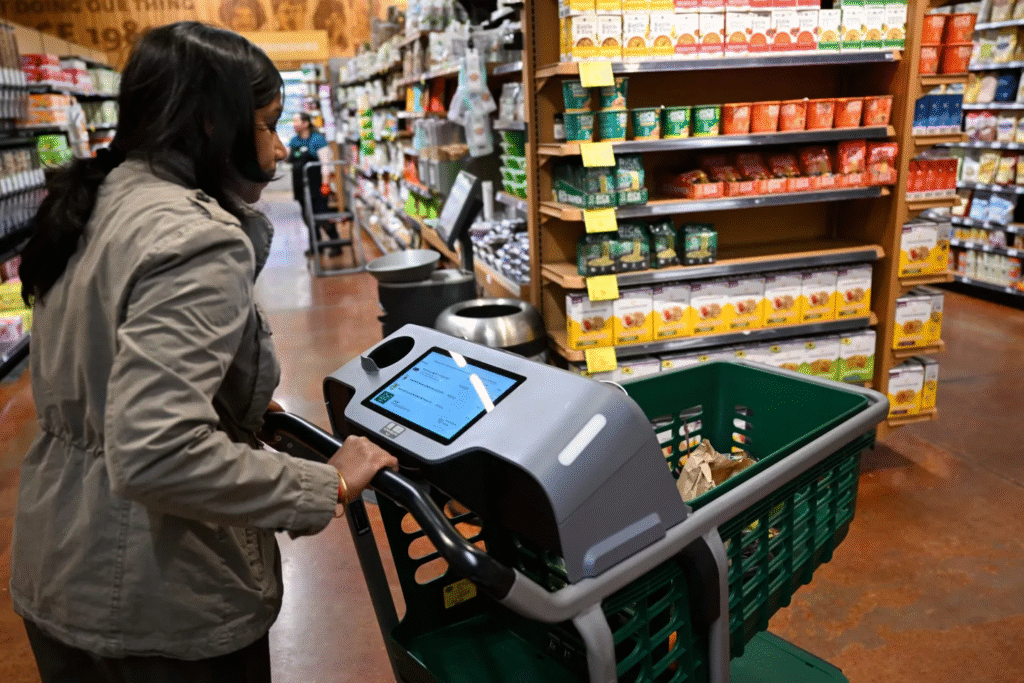
Many shoppers automatically choose familiar brands without comparing complicated.
Store-brand products are often produced under strict quality standards while costing significantly less than premium brands.
Items such as pasta, rice, flour, sugar, cereal, canned vegetables, spices, and cleaning products frequently deliver similar quality at a lower price.
Trying store brands occasionally may reveal that the difference is much smaller than expected while the savings are much greater.
Use Digital Coupons
Paper coupons are becoming less common, but digital coupons continue to grow.
Most supermarkets now provide electronic coupons through their websites or mobile applications.
Activating these offers before shopping takes only a few moments and can reduce the total bill instantly at checkout.
Some stores even combine digital coupons with existing sales, creating even greater savings.
These small moments of preparation often reward shoppers in surprisingly satisfying ways.
Avoid Shopping When Hungry
This advice may sound simple, but it works remarkably well.
Hunger changes decision-making.
People who shop while hungry often purchase more snacks, desserts, drinks, and convenience foods than originally planned.
Having a small meal before shopping allows better focus on the shopping list instead of cravings.
A calm mind usually makes smarter financial decisions.
Buy in Bulk Carefully
Bulk buying can provide excellent savings, but only when done wisely.
Non-perishable products like rice, pasta, flour, canned goods, toilet paper, and cleaning supplies often become much cheaper when purchased in larger quantities.
However, fresh foods should only be bought in bulk if they will be used before expiration.
Saving money loses its value if food eventually ends up in the bin.
Balance is always the smarter choice.
Watch for Clearance Sections


Every grocery store has products nearing their best-before dates.
These items often receive substantial discounts.
Many are perfectly safe to consume and can be frozen or used within a few days.
Bakery products, dairy items, fresh meat, and ready-made meals frequently appear in clearance sections.
A quick visit to these shelves can reveal excellent bargains.
Shop Online When It Saves More
Online grocery shopping has introduced another layer of savings.
Many retailers provide exclusive online offers unavailable in physical stores.
Some also offer first-order discounts, free delivery promotions, cashback rewards, or bundle deals.
Shopping online also reduces impulse purchases because shoppers search directly for planned items instead of wandering through tempting aisles.
For busy families, online shopping often saves both money and valuable time.
Track Your Grocery Spending
Many people know roughly what they spend each month but rarely track exact numbers.
Keeping receipts or using a budgeting app makes spending patterns much clearer.
You may notice repeated purchases that are unnecessary or identify products that are consistently available at better prices elsewhere.
Understanding your spending habits is like watching a river from above. The flow becomes easier to understand, and better decisions naturally follow.
Build Long-Term Saving Habits
Saving money on groceries is not about one extraordinary shopping trip.
It is built through small habits repeated consistently.
Checking weekly offers.
Planning meals.
Comparing prices.
Using loyalty rewards.
Buying seasonal foods.
Avoiding impulse purchases.
Each habit seems small on its own, yet together they create remarkable financial results.
Just as a forest grows one tree at a time, meaningful savings grow one thoughtful shopping trip after another.
FAQ’s
How to Save Big with Exclusive Grocery Offers
Walking through a grocery store can feel a little like wandering through a forest after…

Fashion Deals for Every Season: Save More, Dress Better
When the seasons change, our wardrobes naturally change with them. The light cotton shirts that…

Travel Deals That Make Luxury Vacations More Affordable
There is something magical about waking up to the sound of gentle waves touching the…

Home Deals Under $100 That Deliver Amazing Value
Why Affordable Home Deals Are Worth Considering A home should feel like a place where…

Top Travel Deals for Maldives: Luxury Vacations at Lower Prices
The Maldives is often described as a dream destination, a place where crystal-clear lagoons meet…

Weekly Grocery Offers That Make Shopping More Affordable
Grocery shopping is one of those unavoidable parts of daily life. No matter where you…