
Grocery shopping is one of those unavoidable parts of daily life. No matter where you live or how large your household is, groceries remain a regular expense that directly affects your monthly budget. From fresh fruits and vegetables to dairy products, snacks, grains, and cleaning supplies, the list of essentials can feel endless. Over the past few years, many households have noticed something troubling: grocery bills keep getting higher. This is why Weekly Grocery Offers have become increasingly important for smart shoppers who want to reduce expenses and make everyday shopping more affordable.
With inflation, transportation costs, and supply chain challenges affecting prices, even basic necessities can strain a budget. This is why weekly grocery offers have become increasingly valuable for smart shoppers. These deals help people save money on essential purchases while maintaining quality and convenience. For many families, weekly discounts are no longer just a bonus—they have become part of an effective money-saving strategy.
Shopping affordably does not always mean buying the cheapest products. Instead, it means knowing when and where to shop, planning purchases wisely, and taking advantage of promotions that genuinely reduce spending. Weekly grocery offers make this easier by providing regular opportunities to buy essentials at lower prices.
Why Grocery Expenses Keep Increasing
Grocery prices rarely stay the same for long. Many factors influence food and household product costs, and these changes eventually affect consumers. Inflation is one of the biggest reasons behind rising grocery expenses. As production costs increase, retailers adjust prices to maintain profit margins.
Transportation costs also play a major role. Fuel prices affect how products move from farms and factories to stores. When transportation becomes expensive, grocery prices often rise as well. Seasonal shortages can further impact pricing, especially for fruits, vegetables, and dairy products.
Global supply chain disruptions have also changed shopping habits. Delays in manufacturing and shipping can reduce product availability, leading to higher prices. These changes make budgeting more difficult, especially for families managing fixed incomes.
This is where weekly grocery offers become useful. They help reduce the impact of rising prices by providing discounts on commonly purchased items.
Understanding Weekly Grocery Offers
Weekly grocery offers are promotional discounts available for a limited time, usually seven days. Supermarkets, local stores, and online grocery platforms use these promotions to attract customers and increase sales. For shoppers, these deals create opportunities to save money on everyday purchases.
Offers can appear in different forms. Some stores provide direct price reductions on selected products, while others offer bundle deals or buy-one-get-one promotions. Loyalty rewards, cashback deals, and digital coupons are also common.
These offers often include products people buy regularly, such as vegetables, rice, flour, cooking oil, milk, eggs, snacks, and household cleaning products. Since these are recurring purchases, even small discounts can lead to noticeable savings over time.
The key is consistency. Shoppers who regularly check weekly offers often spend less than those who buy without comparing prices.
How Weekly Grocery Offers Reduce Monthly Spending
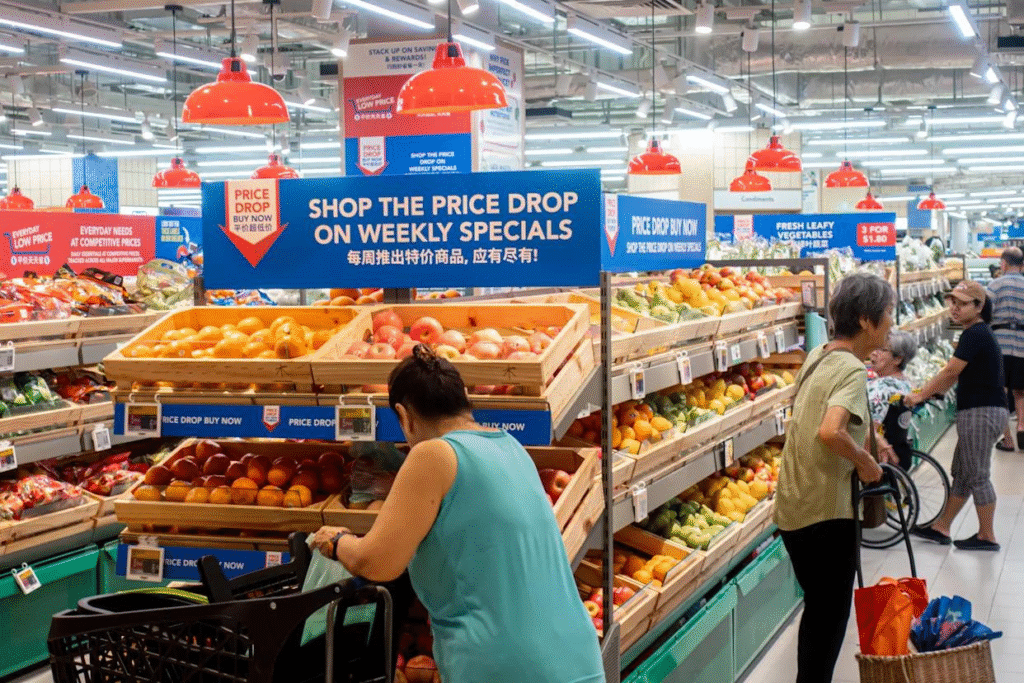
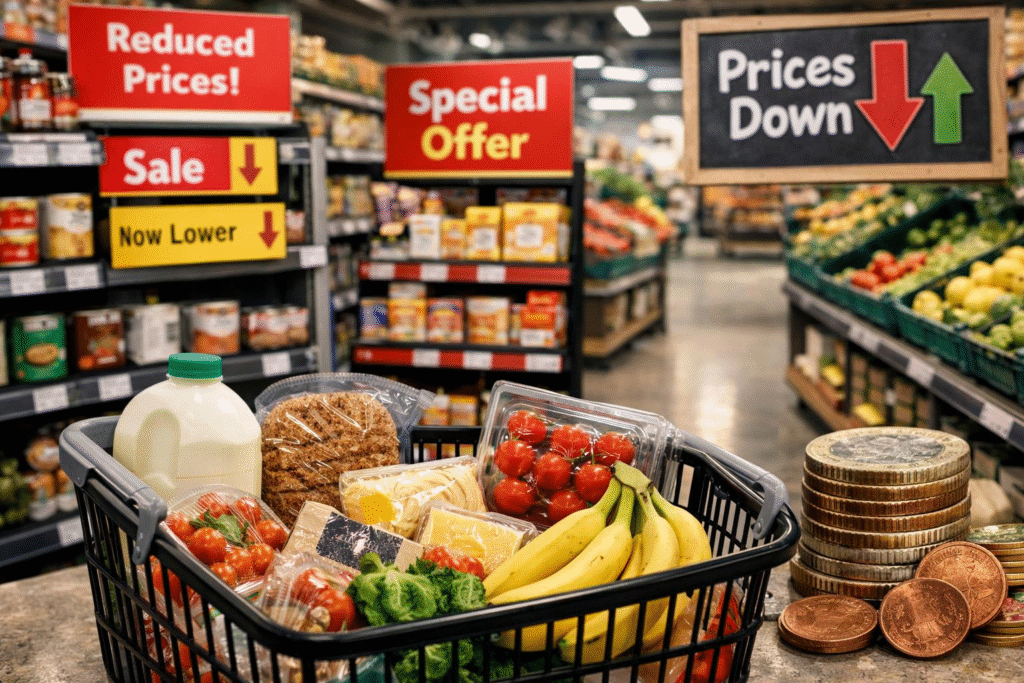
The real benefit of weekly grocery offers becomes clear over time. Saving a small amount during each shopping trip may not feel significant initially, but repeated savings add up quickly.
Imagine saving a modest amount each week on essential groceries. Over a month, that becomes meaningful. Over a year, the savings can become substantial enough to support other financial goals.
Weekly offers also encourage better purchase timing. Instead of buying everything at regular price, smart shoppers wait for promotions on frequently used products. This reduces unnecessary spending and improves financial control.
Buying staples during discounts is especially effective. Products such as grains, lentils, toiletries, and cleaning supplies usually have long shelf lives. Purchasing these during promotions helps reduce future grocery expenses.
Affordable shopping is less about luck and more about strategy.
Planning Before Shopping Matters
One of the most effective ways to maximize grocery savings is planning before entering a store or placing an online order. Shopping without preparation often leads to impulse buying, duplicate purchases, and wasted money.
A simple habit like checking pantry supplies before shopping can make a major difference. Many people buy items they already have because they forget what is at home. Reviewing kitchen storage, refrigerators, and household supplies helps prevent unnecessary spending.
After identifying what is needed, compare your list with available weekly offers. Prioritize products that are both discounted and genuinely necessary.
Planning also helps reduce food waste. Purchasing only what will be consumed prevents spoilage and saves money. This is particularly important for fresh produce, dairy, and perishable items.
Shoppers who prepare ahead usually make faster and smarter purchasing decisions.
The Rise of Online Grocery Deals

Online grocery shopping has transformed consumer behavior. More people now order groceries through apps and websites because it saves time and offers convenience. This shift has also made price comparison much easier.
One major advantage of online shopping is visibility. Customers can instantly compare products, review discounts, and calculate spending before checkout. This reduces surprise costs and improves budget control.
Online grocery platforms often provide exclusive benefits such as first-order discounts, cashback offers, subscription deals, and app-only promotions. Digital coupons can further reduce costs.
Common Shopping Mistakes That Increase Costs
Even with excellent grocery offers available, many people still overspend because of poor shopping habits. One of the most common mistakes is buying products simply because they are discounted.
A discounted item only saves money if you actually need it. Purchasing unnecessary products during sales increases overall spending rather than reducing it.
Another mistake is ignoring unit pricing. Larger packaging may appear cheaper, but this is not always true. Comparing price per kilogram or liter provides a better understanding of actual value.
Impulse buying remains another major issue. Stores intentionally place attractive products in visible locations to encourage extra purchases. Snacks, beverages, and convenience foods often lead to unplanned spending.
Failure to compare stores is also costly. One supermarket’s discounted price may still be higher than another store’s regular price.
Saving money requires awareness and discipline.
Weekly Offers for Families
Families often gain the greatest benefit from weekly grocery promotions because their consumption is naturally higher. Households with children typically purchase large quantities of staples and essentials every month.
Items such as milk, eggs, bread, rice, cooking oil, cereals, and vegetables are purchased frequently. Discounts on these essentials create meaningful monthly savings.
Families also benefit from seasonal promotions, festival discounts, and bulk-buy offers. Purchasing non-perishable products during strong promotions helps reduce future spending.
Parents can also save significantly on school snacks, breakfast foods, and cleaning products. Since these purchases happen regularly, smart buying habits can produce substantial long-term savings.
The larger the household, the more impactful grocery savings become.
Balancing Quality with Price

Saving money should never mean sacrificing quality. The goal of weekly grocery offers is to find high-quality products at better prices, not simply buy the cheapest available option.
Fresh produce should always be checked carefully, even during promotions. Fruits and vegetables must be fresh and suitable for consumption. Packaged goods should be reviewed for expiry dates and ingredient quality.
Household essentials should also deliver expected performance. A cheaper cleaning product that performs poorly may cost more in the long run because it requires frequent replacement.
True value comes from balancing cost and quality. Smart shoppers understand that affordable shopping is about maximizing value, not minimizing price at all costs.
The best deals offer both savings and reliability.
The Future of Grocery Shopping
Technology continues to reshape grocery shopping. Personalized discounts, loyalty programs, AI-powered recommendations, and digital payments are changing how consumers shop.
Retailers increasingly use shopping data to provide targeted offers based on buying habits. This means future promotions may become even more personalized and useful.
Mobile apps already notify shoppers about flash sales and limited-time deals. Smart recommendation systems can suggest relevant discounts based on previous purchases.
As grocery shopping becomes more digital, consumers will have better access to price comparisons and savings opportunities.
Those who adapt to modern shopping tools will likely save more over time.
FAQ’s
1. What are weekly grocery offers?
They are weekly discounts on grocery items and essentials.
2. How do grocery offers save money?
They reduce costs on products you buy regularly.
3. Are online grocery offers worth it?
Yes, they often include extra discounts and cashback.
4. Should I buy in bulk during offers?
Yes, for non-perishable items to save more.
5. Why is shopping planning important?
It helps avoid overspending and unnecessary purchases.
Fashion Deals for Every Season: Save More, Dress Better
When the seasons change, our wardrobes naturally change with them. The light cotton shirts that…

Travel Deals That Make Luxury Vacations More Affordable
There is something magical about waking up to the sound of gentle waves touching the…

Home Deals Under $100 That Deliver Amazing Value
Why Affordable Home Deals Are Worth Considering A home should feel like a place where…

Top Travel Deals for Maldives: Luxury Vacations at Lower Prices
The Maldives is often described as a dream destination, a place where crystal-clear lagoons meet…

Weekly Grocery Offers That Make Shopping More Affordable
Grocery shopping is one of those unavoidable parts of daily life. No matter where you…
Exclusive Travel Deals for Dream Vacations at Unbeatable Prices
Travel has a special way of refreshing the mind and bringing joy back into everyday…