
Grocery shopping has become one of the biggest monthly expenses for many households. As prices continue to rise in 2026, families and individuals are looking for smarter ways to manage food costs without sacrificing quality or nutrition. While grocery bills may seem difficult to control, small changes in shopping habits can make a significant difference over time.
Saving money on groceries is not about buying the cheapest products or avoiding the foods you enjoy. It is about shopping strategically, reducing waste, and making thoughtful decisions. Many people overspend simply because they shop without a plan or fall into common spending habits that increase costs unnecessarily.
By understanding how grocery stores operate and learning practical budgeting techniques, you can reduce monthly expenses while still maintaining a healthy and balanced lifestyle.
Create a Grocery Budget Before Shopping
One of the most effective ways to save money on groceries is to create a clear budget before entering the store or shopping online. Without a spending limit, it becomes easy to purchase unnecessary items and lose track of expenses.
Start by reviewing your monthly income and deciding how much you can realistically spend on groceries. Once you set a budget, divide it into weekly shopping limits to make spending easier to manage.
A grocery budget also helps prioritize essential items over impulse purchases. Instead of buying based on cravings or promotions alone, you focus on what your household truly needs.
Tracking grocery expenses regularly allows you to identify patterns and areas where you may be overspending.
Always Shop with a List
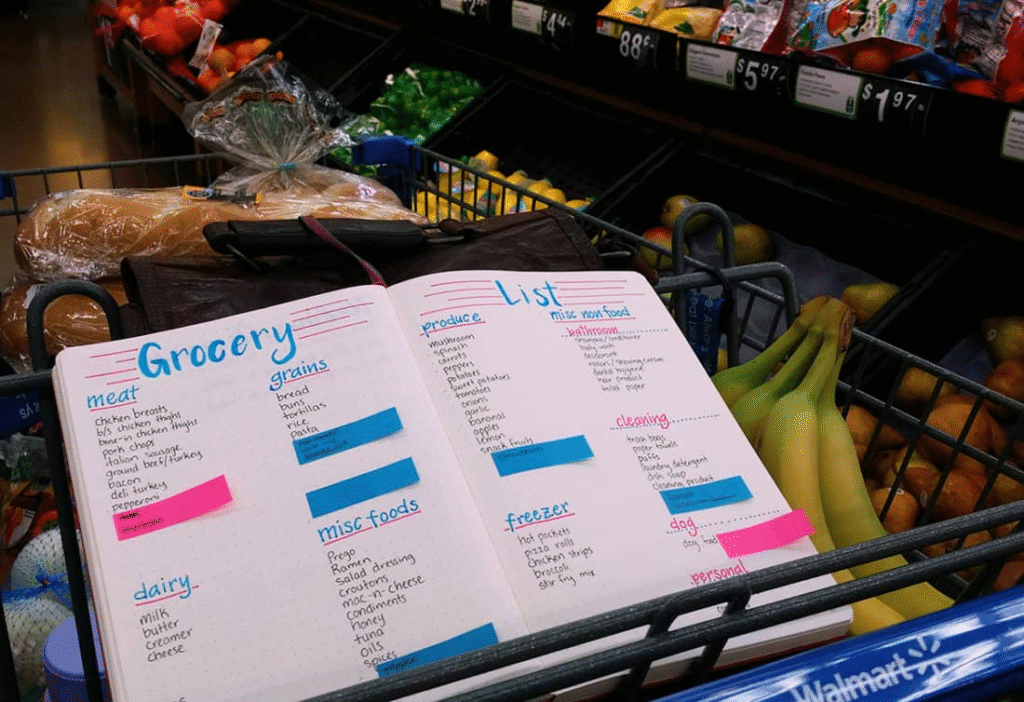
Shopping without a list is one of the fastest ways to increase grocery spending. Stores are designed to encourage impulse buying through product placement, promotions, and attractive packaging.
A shopping list keeps you focused and organized. Before going to the store, check your kitchen and note what items are actually needed. Planning meals in advance can also help create a more accurate list.
Sticking to the list reduces unnecessary purchases and helps prevent food waste. It also saves time because you spend less time wandering through aisles.
People who shop with a clear list often spend significantly less than those who buy items randomly.
Plan Meals Ahead of Time
Meal planning is one of the most powerful grocery budgeting strategies. When you know what meals you will prepare during the week, you can buy only the ingredients required.
Planning meals helps avoid last-minute takeout orders and unnecessary grocery trips. It also allows you to use ingredients more efficiently.
For example, vegetables purchased for one dinner can often be used in soups, salads, or lunches later in the week. This reduces waste and maximizes the value of every purchase.
Meal planning does not need to be complicated. Even creating a simple weekly dinner schedule can improve grocery budgeting significantly.
Compare Prices Carefully

Many shoppers buy products without comparing prices properly. Grocery stores often place premium products at eye level while cheaper alternatives are placed elsewhere.
Reading price labels carefully can help you find better deals. Comparing the cost per unit or weight is especially useful because larger packages are not always cheaper.
Store brands are another excellent option for saving money. In many cases, generic or store-brand products offer similar quality to well-known brands at a lower price.
Taking a few extra moments to compare prices can lead to substantial savings over time.
Avoid Shopping When Hungry
Shopping while hungry often leads to impulse purchases, especially unhealthy snacks and convenience foods. Hunger influences decision-making and increases the likelihood of buying unnecessary items.
Eating before grocery shopping helps maintain focus and reduces emotional spending. You are more likely to stick to your list and make practical decisions when you are not hungry.
This simple habit may seem minor, but it can have a noticeable impact on grocery expenses over time.
Buy Seasonal Produce
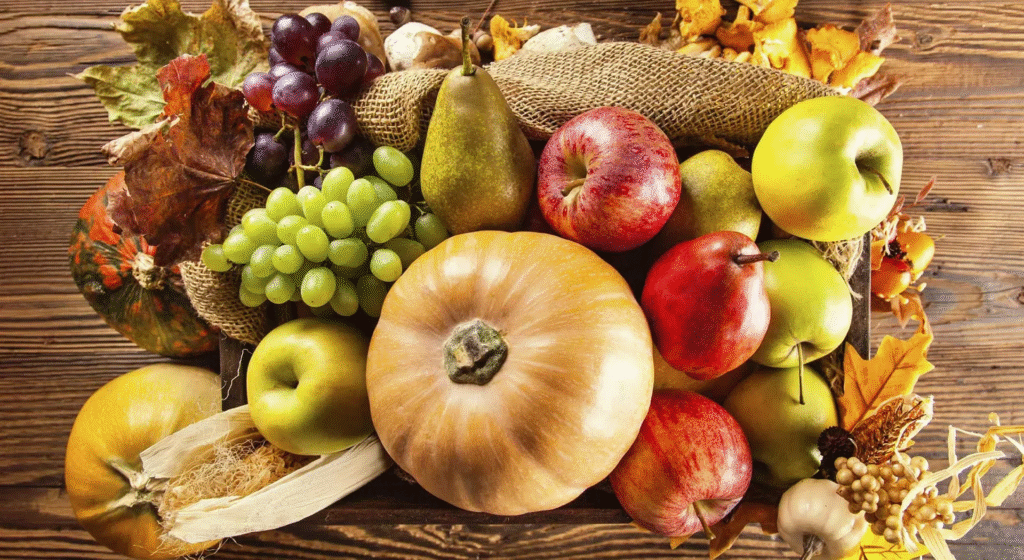
Fruits and vegetables are usually cheaper when they are in season because they are more abundant and easier to source locally.
Seasonal produce is often fresher, more flavorful, and more affordable compared to out-of-season products that require additional transportation and storage costs.
Learning which fruits and vegetables are in season during different times of the year can help reduce grocery bills while improving meal quality.
Frozen fruits and vegetables are also good alternatives when fresh produce becomes expensive. They are nutritious, convenient, and often less costly.
Use Coupons and Cashback Offers Wisely
Coupons and cashback programs can help reduce grocery costs when used strategically. Many grocery stores and online shopping apps offer discounts, reward points, and special promotions.
However, it is important to use offers wisely. Buying products only because they are discounted can actually increase spending if those items are unnecessary.
The best approach is using coupons for products you already plan to buy. Combining discounts with store promotions can maximize savings without encouraging overspending.
Digital grocery apps have made it easier than ever to track offers and compare deals before shopping.
Reduce Food Waste at Home
Food waste is one of the biggest hidden expenses in grocery shopping. Many households throw away food simply because it spoils before being used.
Proper food storage helps ingredients last longer. Organizing the refrigerator and pantry also makes it easier to see what needs to be used first.
Cooking leftovers into new meals is another excellent way to save money. Leftover vegetables can become soups, rice dishes, or pasta sauces instead of being discarded.
Paying attention to expiration dates and portion sizes also helps reduce waste and improve grocery efficiency.
Buy in Bulk for Frequently Used Items
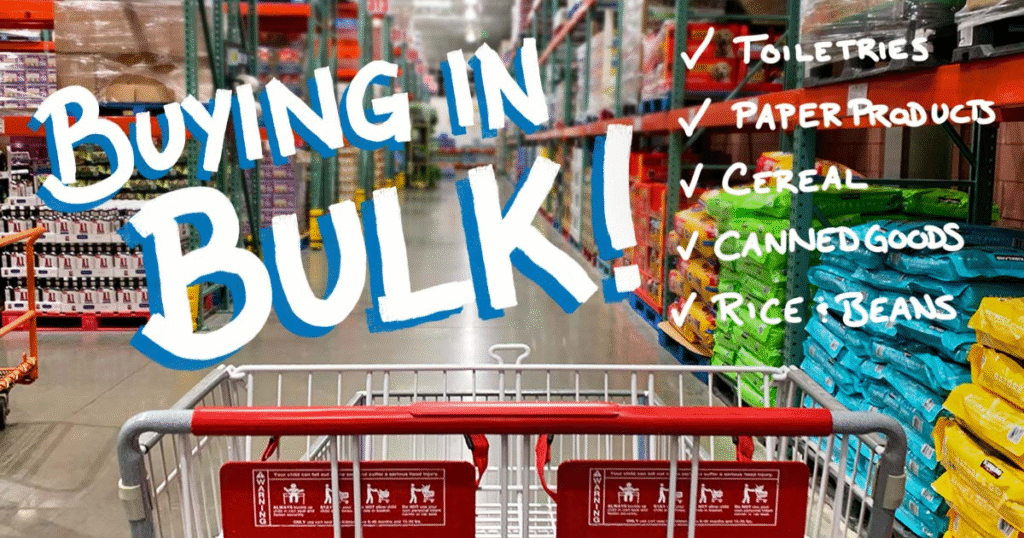
Bulk shopping can save money when done carefully. Products like rice, oats, pasta, beans, flour, and household essentials are often cheaper in larger quantities.
However, buying in bulk only works when the items are regularly used and properly stored. Purchasing large amounts of products that expire quickly can lead to waste instead of savings.
Before buying bulk items, compare unit prices to ensure the larger package truly offers better value.
Bulk buying works best for non-perishable foods and everyday essentials.
Limit Processed and Convenience Foods
Processed foods and ready-made meals are often more expensive than preparing meals from basic ingredients.
Cooking at home not only reduces costs but also gives you more control over nutrition and portion sizes. Simple homemade meals are usually healthier and more affordable than heavily processed alternatives.
For example, preparing homemade snacks, sandwiches, soups, or pasta dishes often costs far less than buying packaged convenience foods.
Reducing processed food purchases can improve both financial and physical health.
Shop Online Carefully
Online grocery shopping has become increasingly popular in 2026 because of convenience and time savings. It can also help with budgeting when used correctly.
Shopping online allows you to see your total spending before checkout, making it easier to stay within budget. It also reduces impulse buying because you are less exposed to in-store marketing tactics.

Learn to Cook Simple Meals
Cooking skills are one of the most valuable tools for saving money on groceries. People who cook regularly at home often spend less than those who rely heavily on restaurant meals or packaged foods.
Simple meals do not need to be complicated. Basic recipes using affordable ingredients can still be delicious and nutritious.
Learning how to prepare soups, rice dishes, stir-fries, pasta, salads, and basic proteins can significantly reduce food expenses.
Cooking at home also encourages better meal planning and healthier eating habits.
Stay Disciplined with Grocery Spending
One of the biggest challenges in grocery budgeting is maintaining discipline consistently. Advertisements, sales promotions, and cravings can easily influence shopping decisions.
Staying disciplined means focusing on long-term financial goals instead of temporary temptations. This does not mean never buying treats or enjoyable foods, but it means making intentional choices.
Reviewing spending habits regularly helps identify areas for improvement. Small savings made consistently throughout the year can create significant financial benefits.
F&Q

Fashion Deals for Every Season: Save More, Dress Better
When the seasons change, our wardrobes naturally change with them. The light cotton shirts that…

Travel Deals That Make Luxury Vacations More Affordable
There is something magical about waking up to the sound of gentle waves touching the…

Home Deals Under $100 That Deliver Amazing Value
Why Affordable Home Deals Are Worth Considering A home should feel like a place where…

Top Travel Deals for Maldives: Luxury Vacations at Lower Prices
The Maldives is often described as a dream destination, a place where crystal-clear lagoons meet…
Weekly Grocery Offers That Make Shopping More Affordable
Grocery shopping is one of those unavoidable parts of daily life. No matter where you…

Exclusive Travel Deals for Dream Vacations at Unbeatable Prices
Travel has a special way of refreshing the mind and bringing joy back into everyday…